カート
カートが空です
Choose Your Bracelet Size

High Swiss Standard

Free US Shipping On All Orders
USA Delivery in 3 to 5 Days
30 Days Returns
Lifetime Warranty
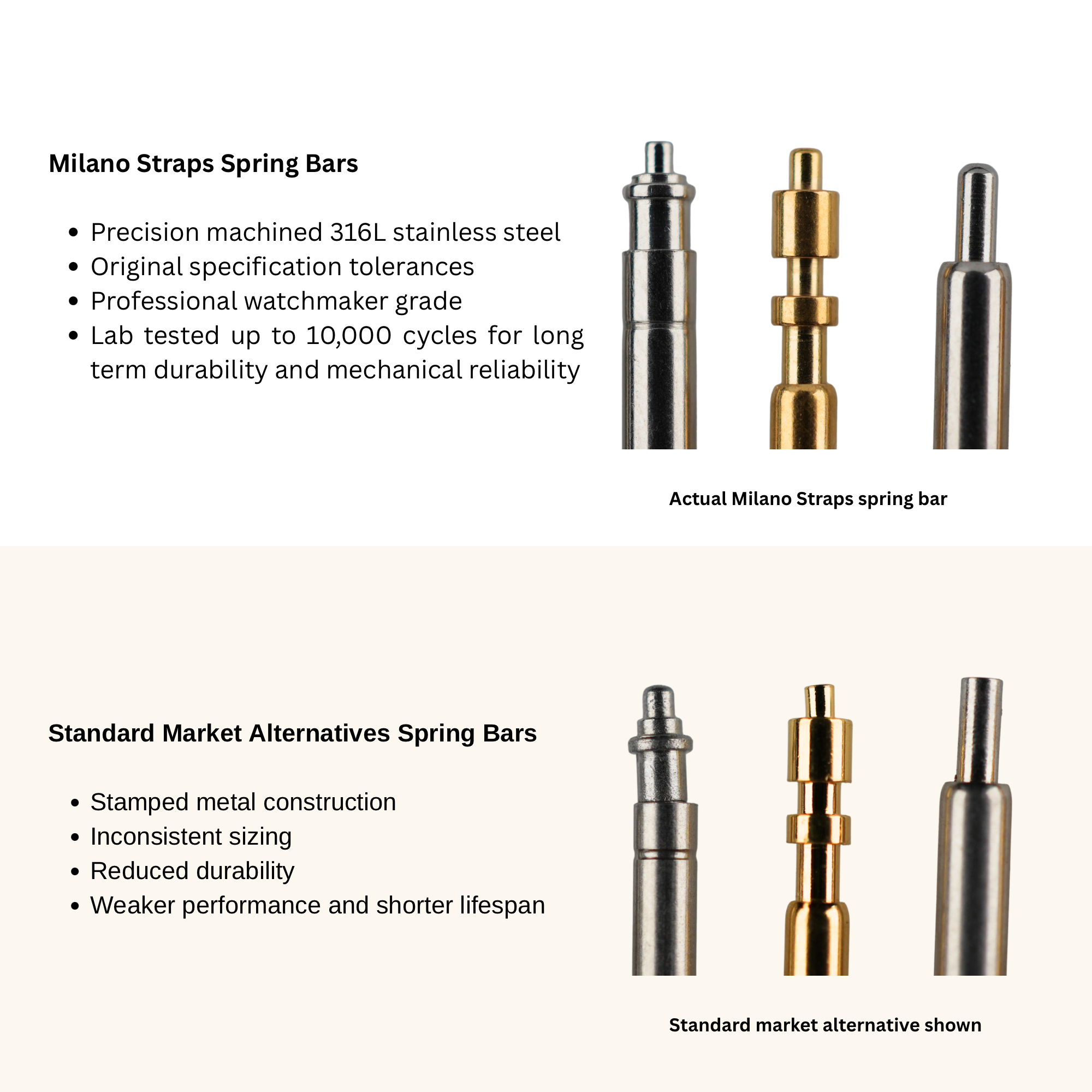
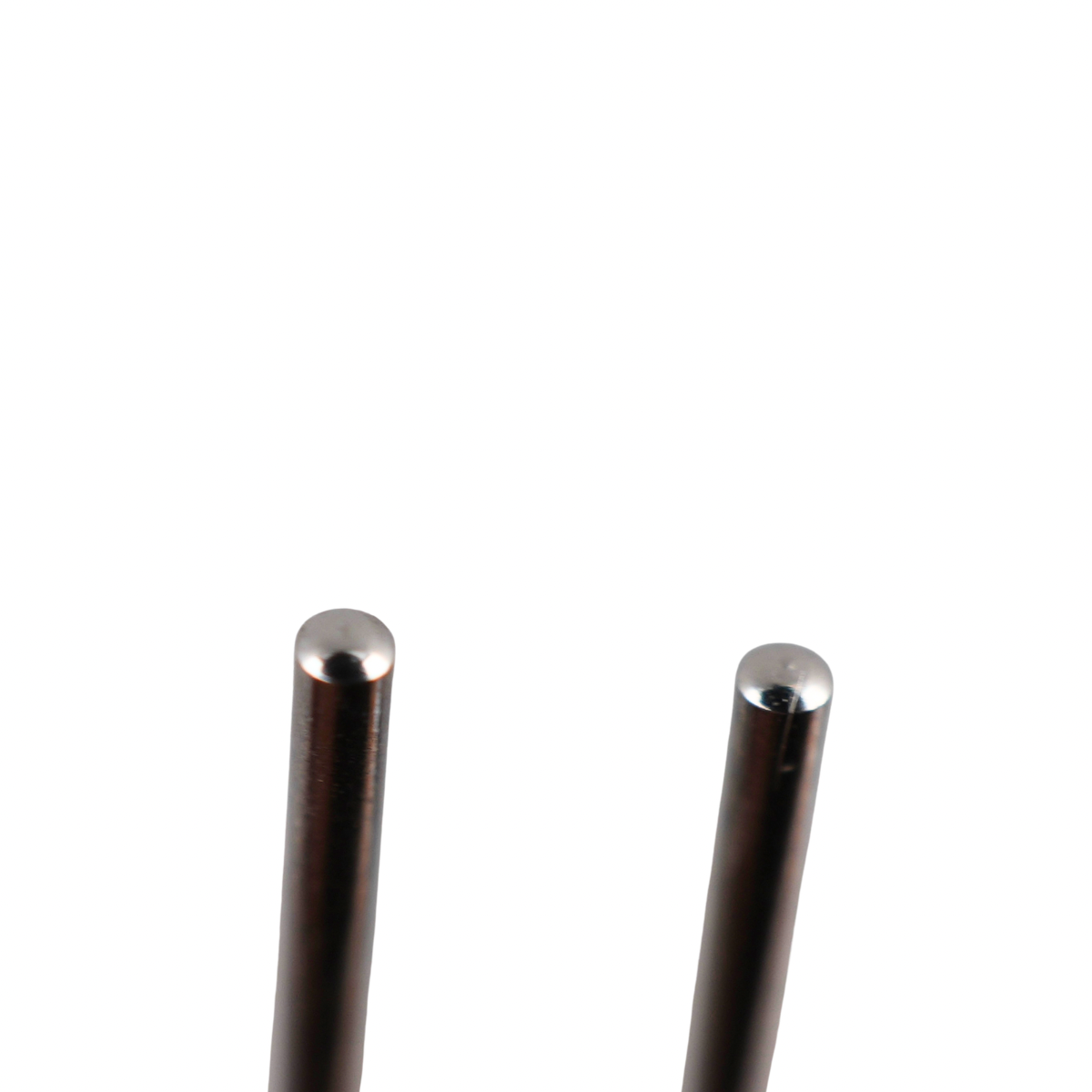
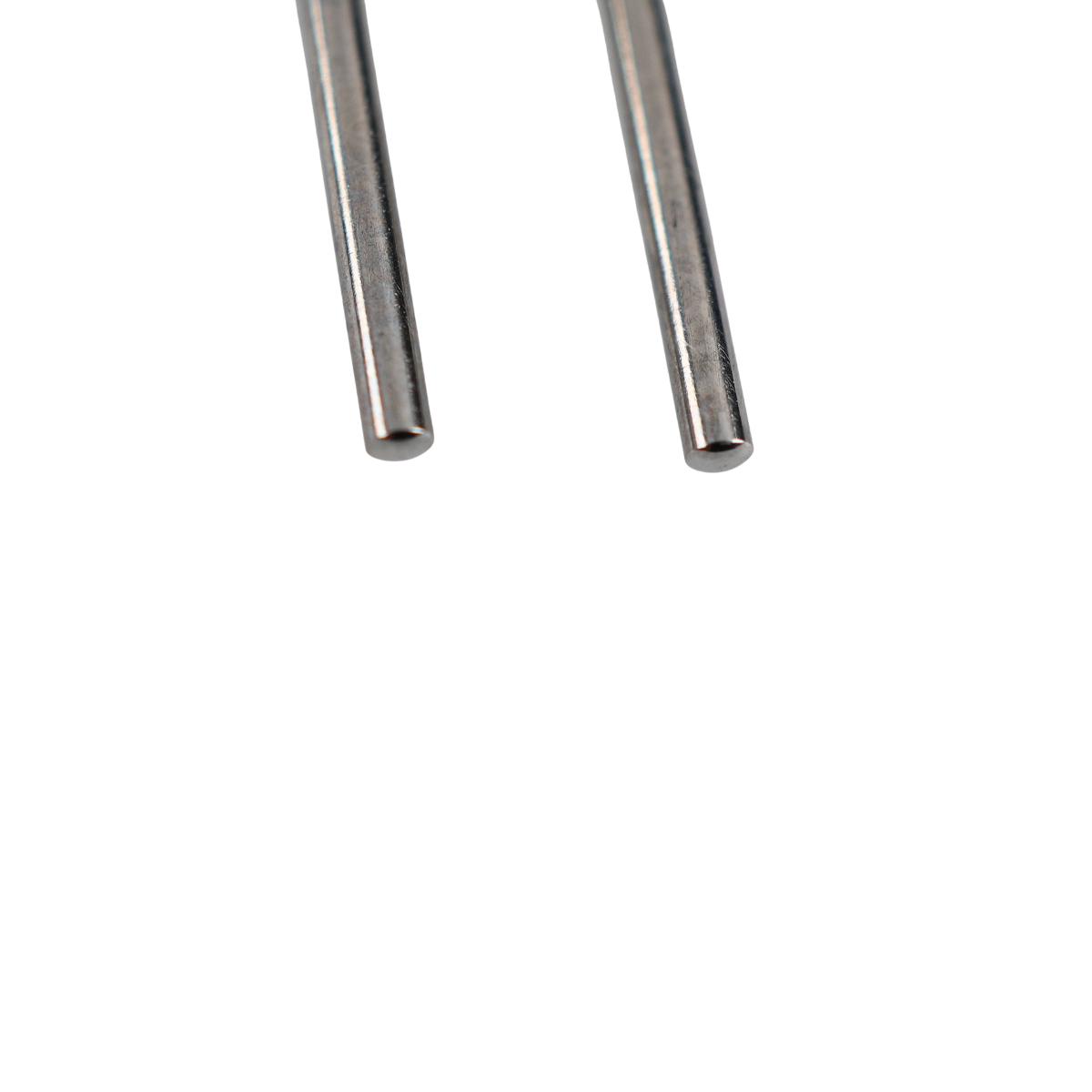
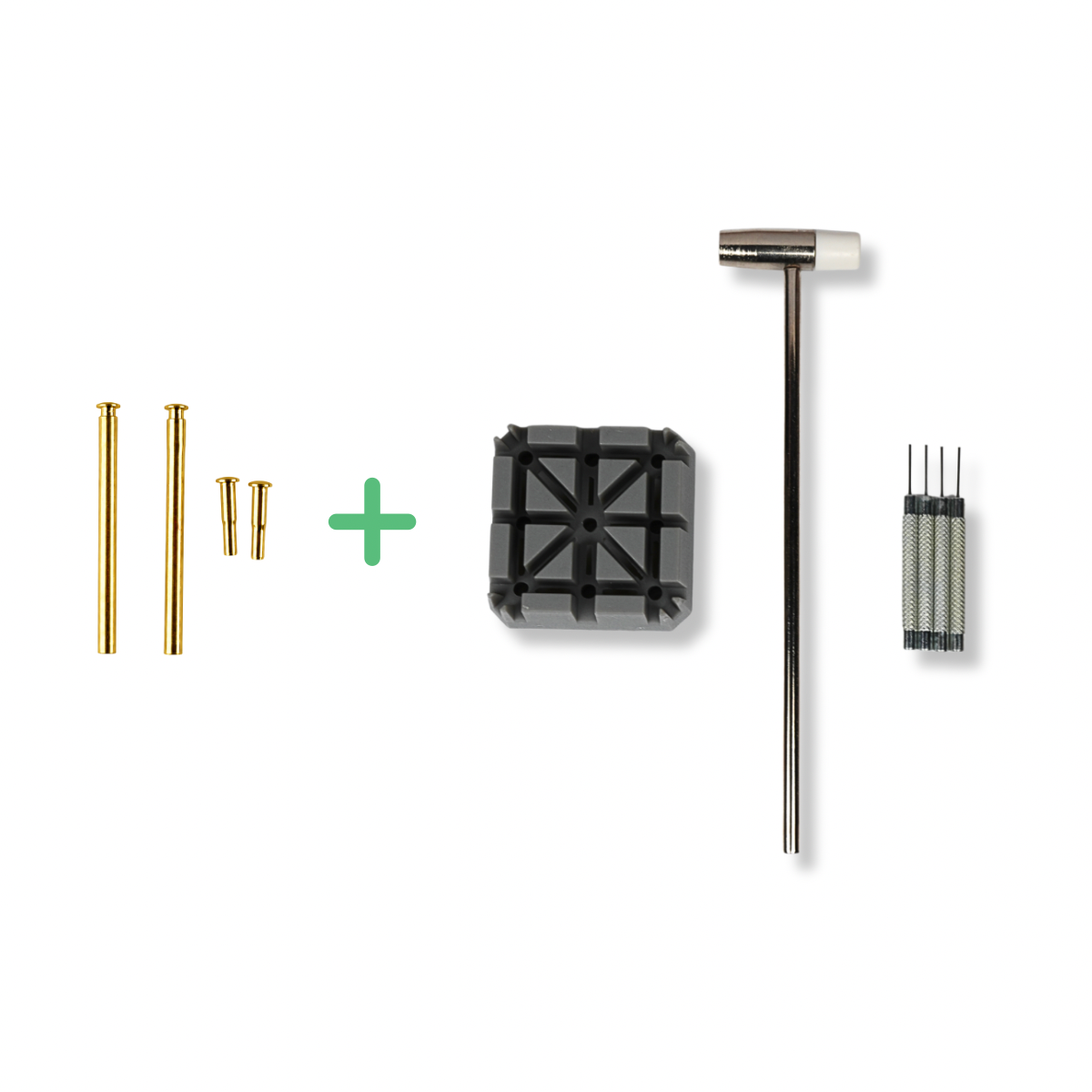
Restore your vintage Rolex bracelet with our Swiss-standard rivet pins, precision-made from 316L stainless steel and available in stainless steel or yellow gold.
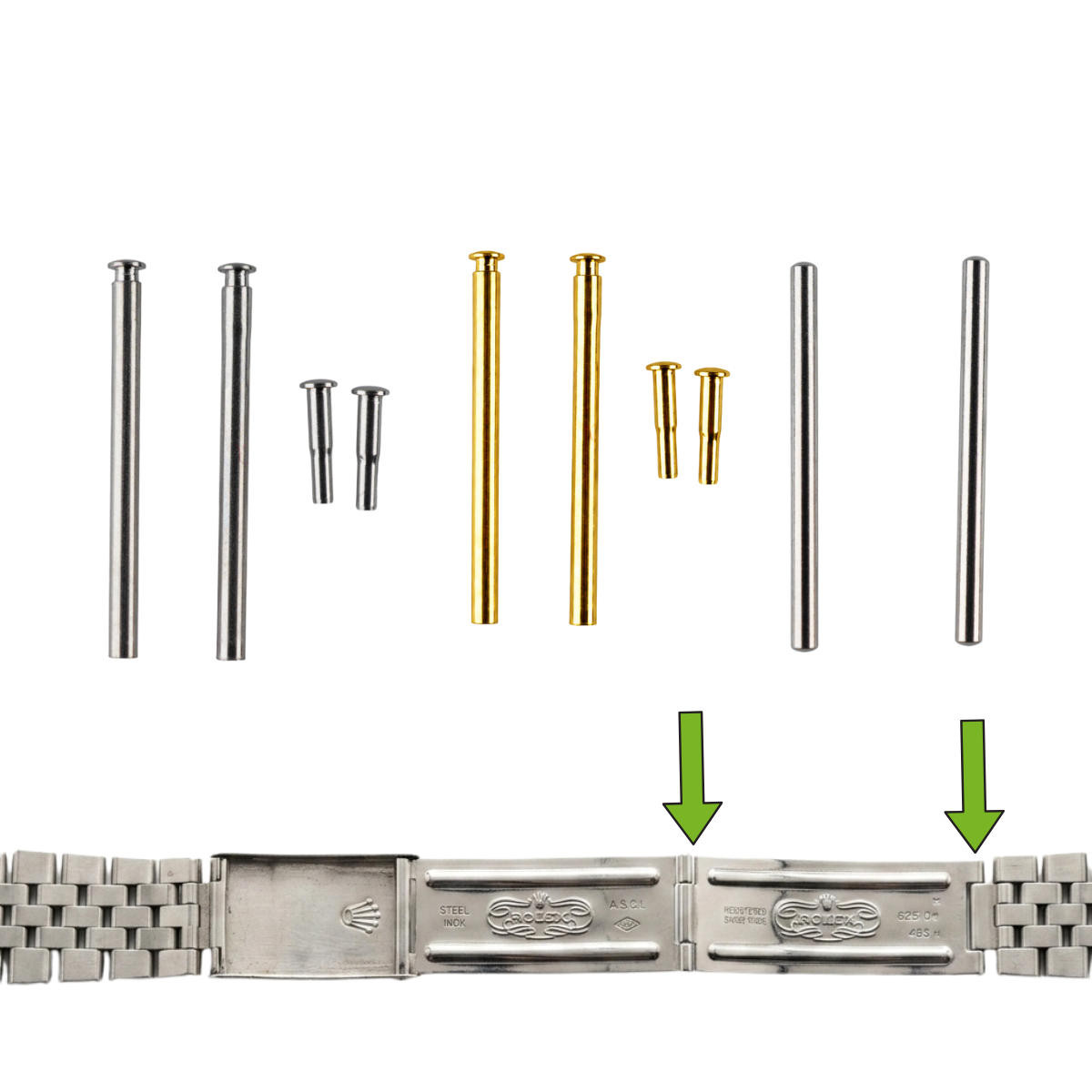
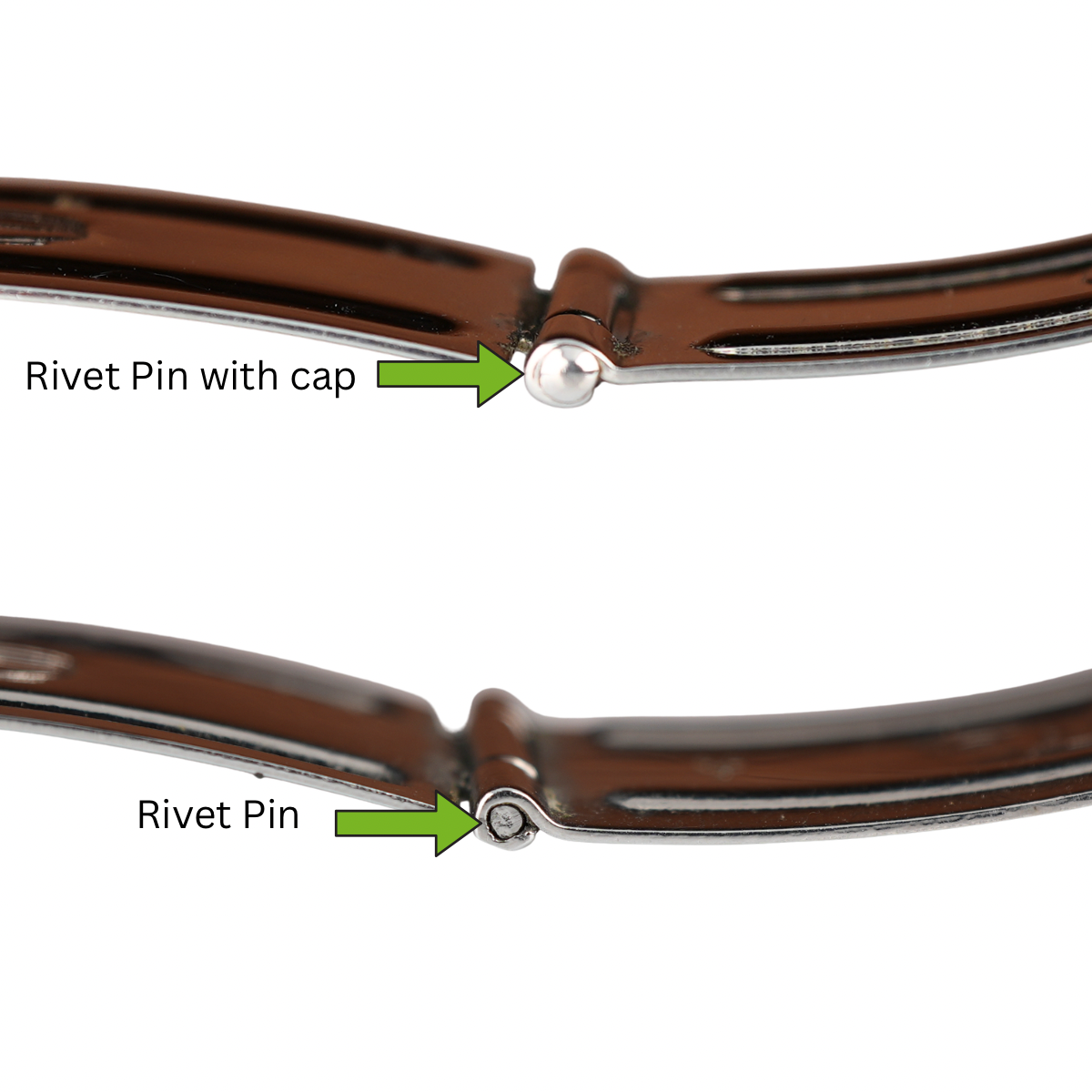
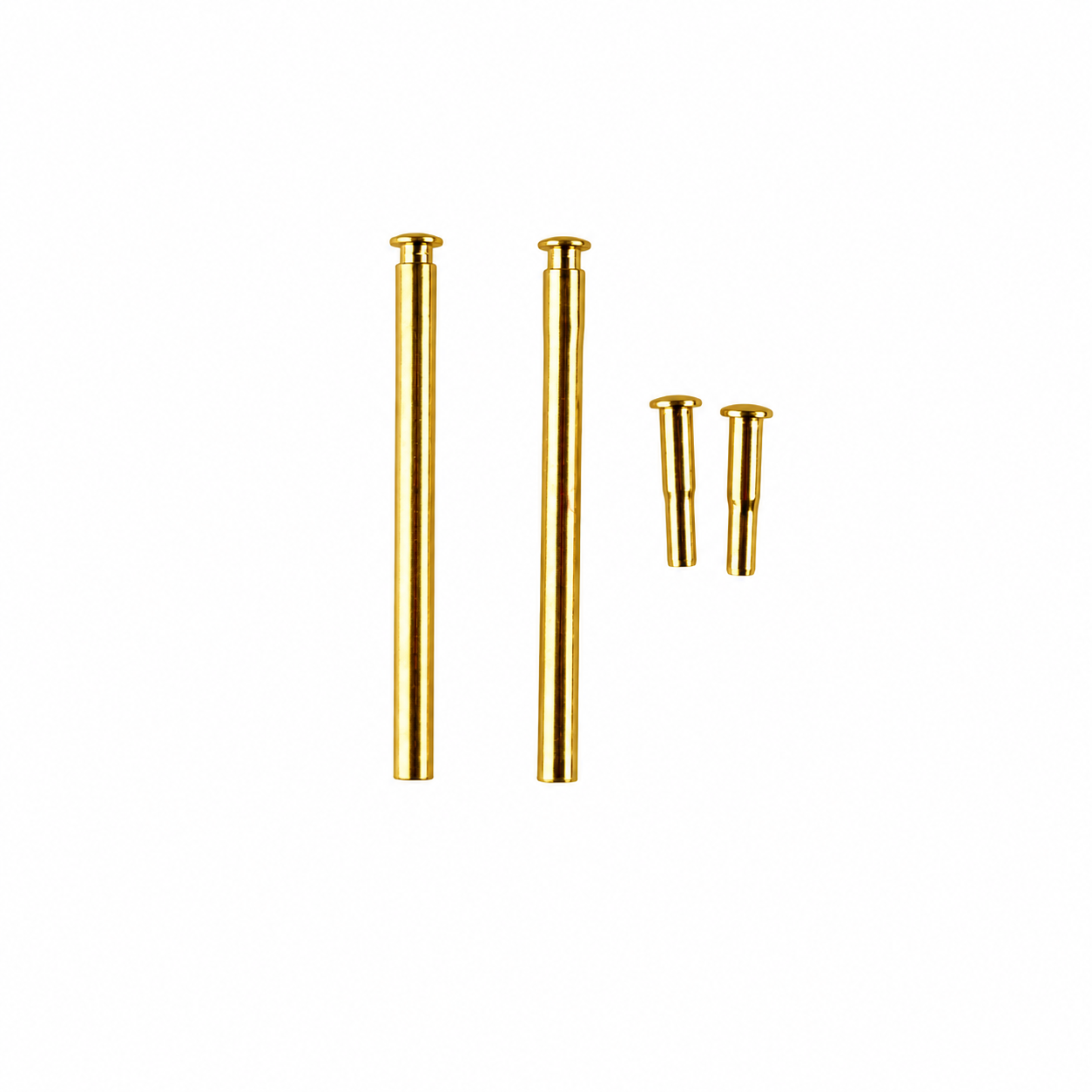
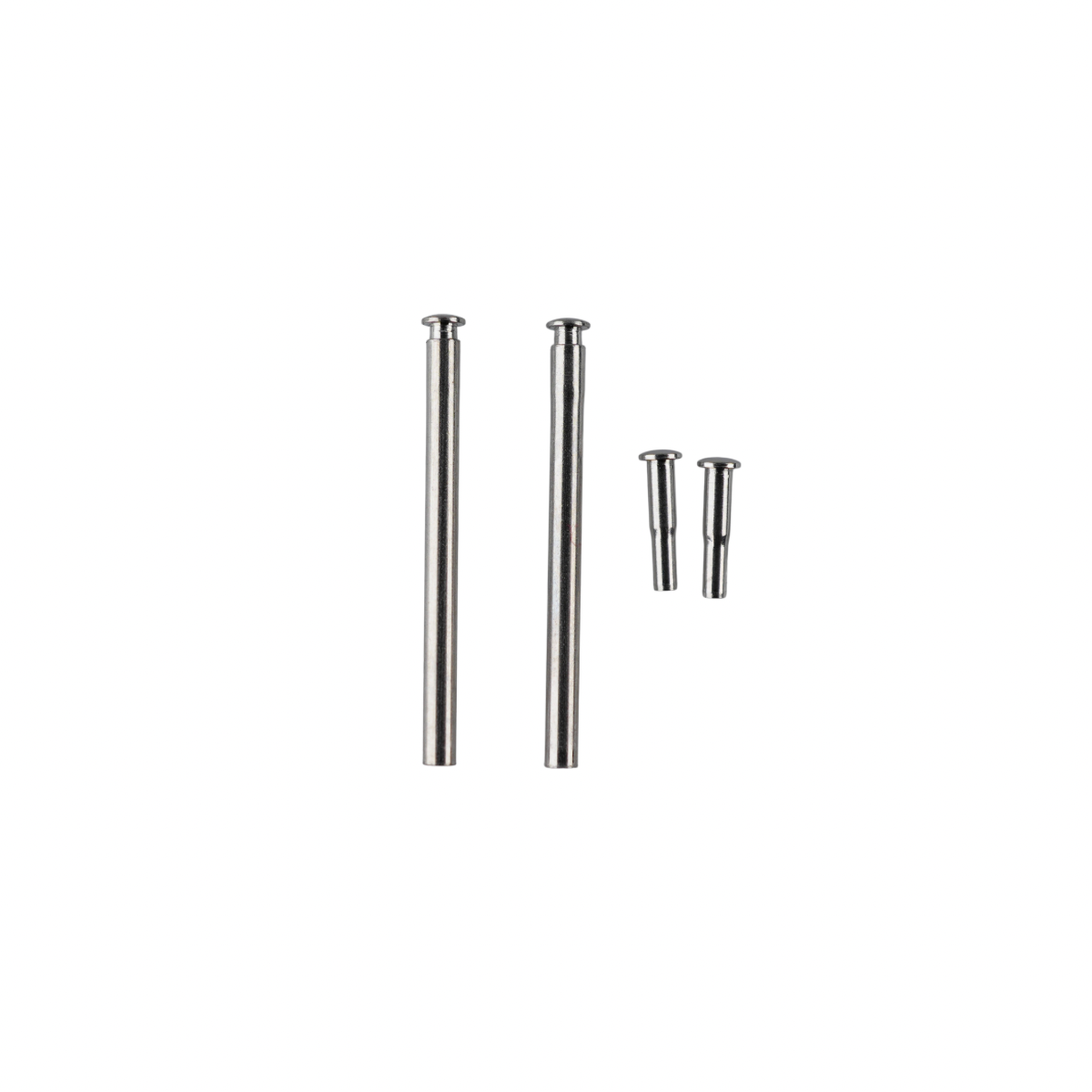
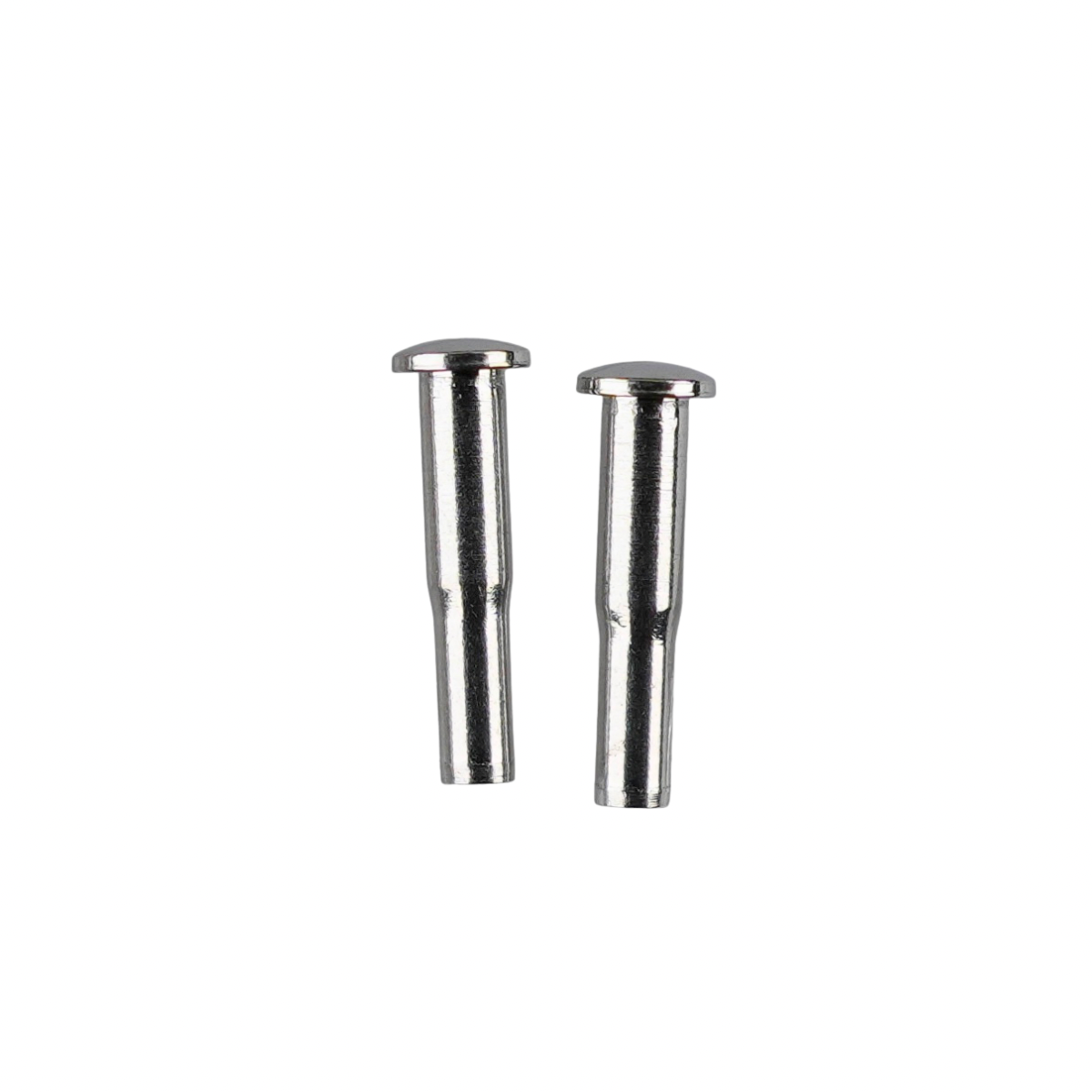
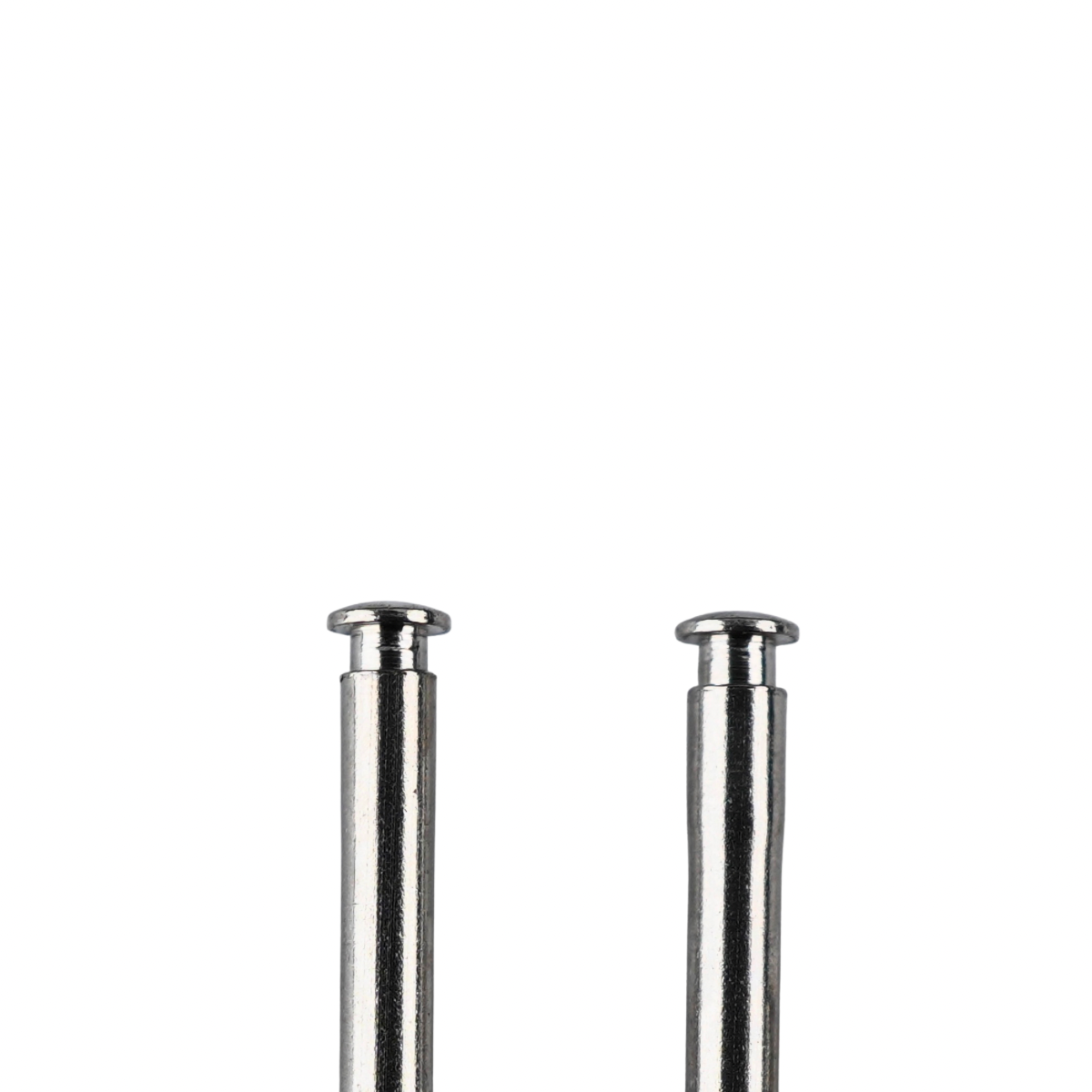
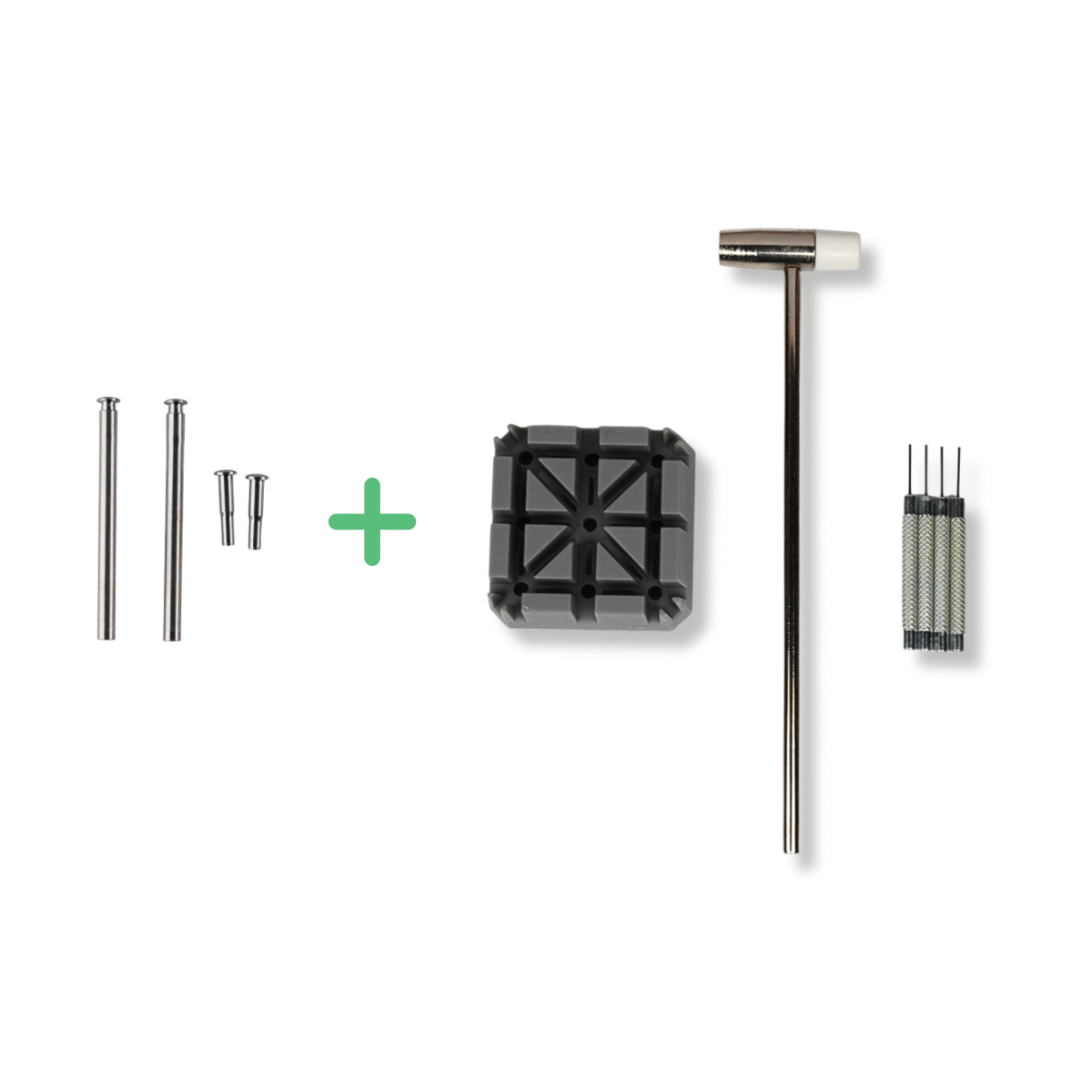
Designed specifically for vintage Rolex Jubilee and Oyster bracelets, our rivet pins are available in two styles:
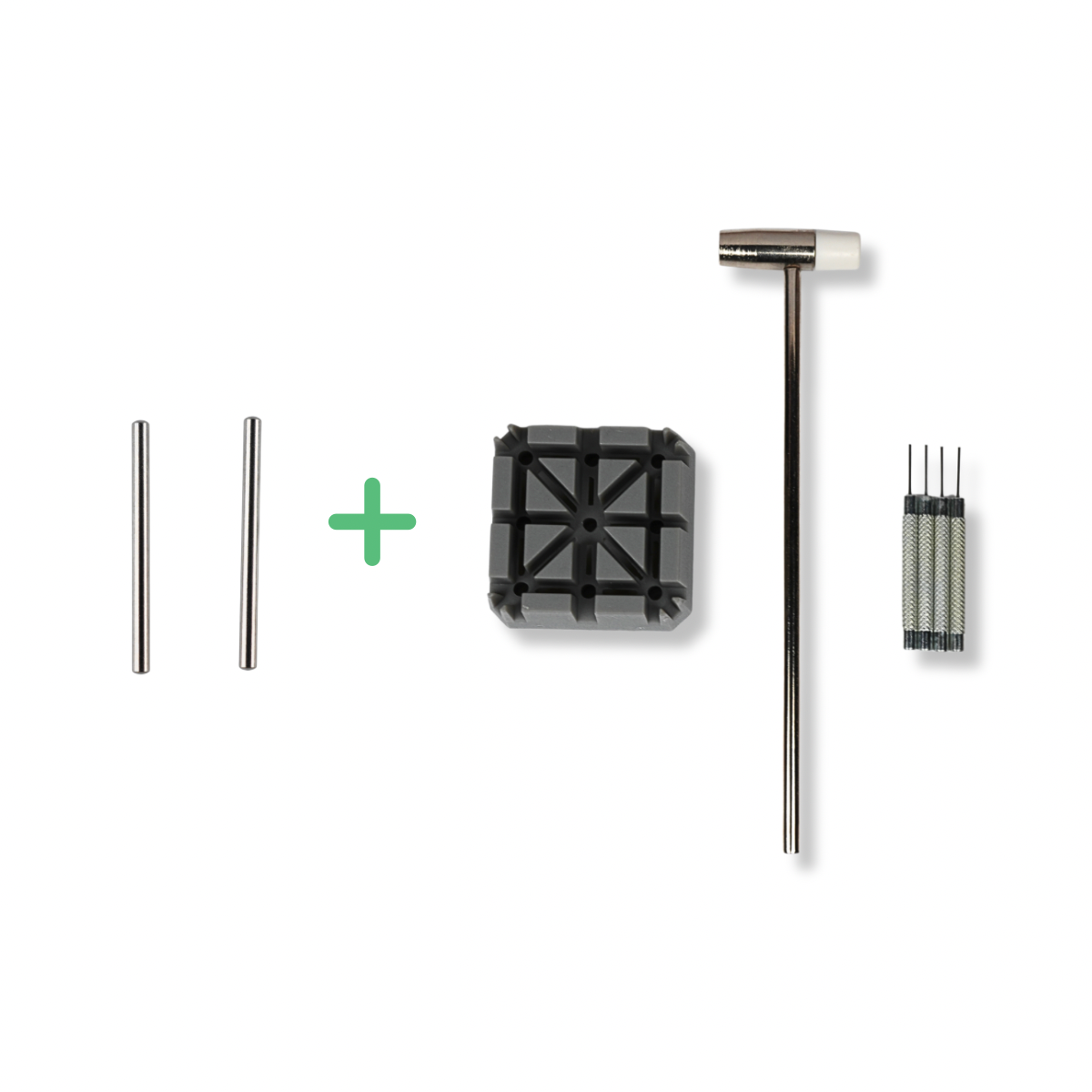
Standard Rivet Pin — the original style used by Rolex on vintage Oyster and Jubilee bracelets dating back to the 1950s and continuing through the early 80's.
Rivet Pin with Cap — the later-style pin with a small cap or “hat,” introduced by Rolex around the mid 1980s. This style can also be used on earlier vintage bracelets from the 1950s, 1960s, and 1970s and is often recommended by professional watchmakers for a secure, finished installation.
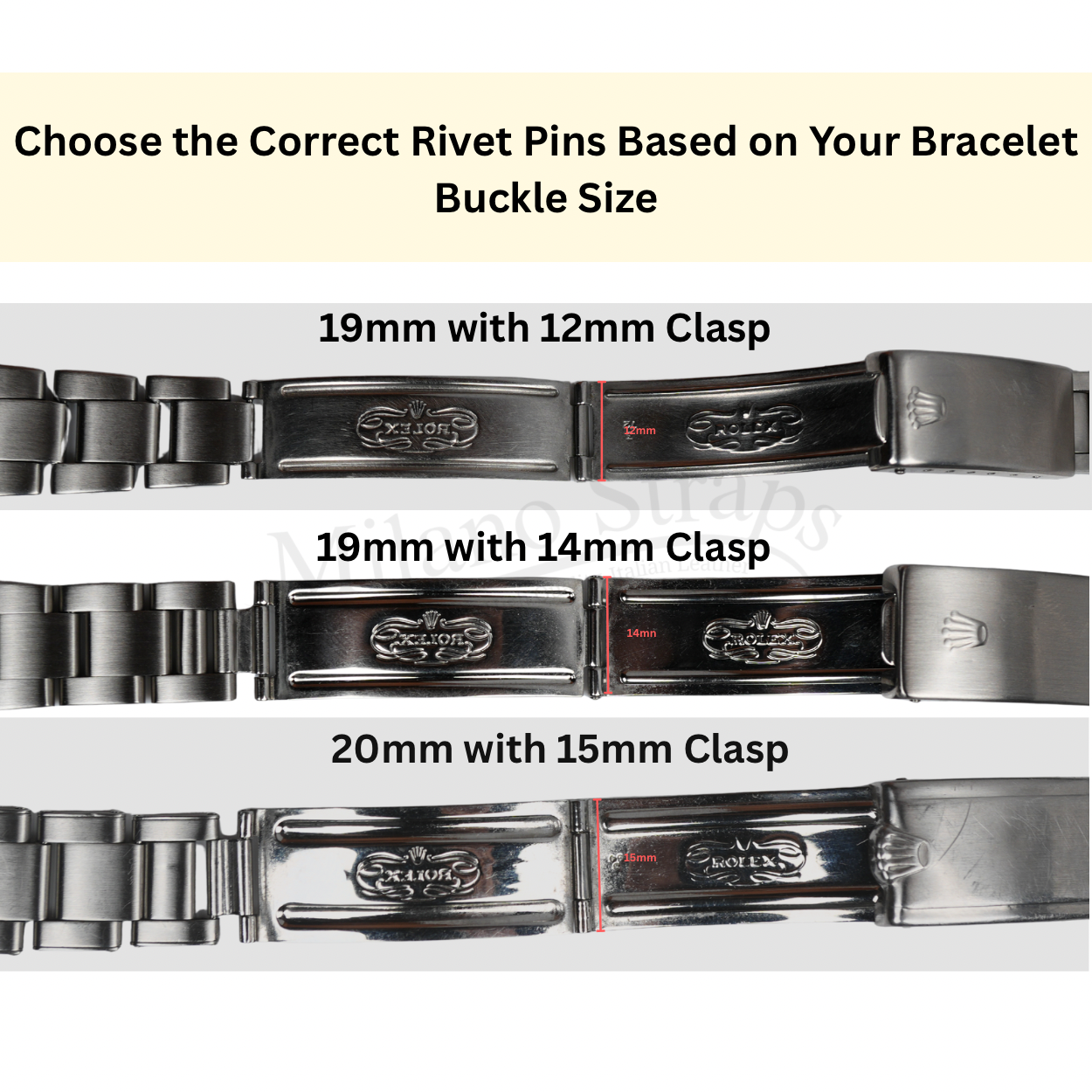
Our pins are designed to fit 20mm vintage Rolex bracelets and 19mm vintage Rolex bracelets. Please select the correct size based on your clasp:
19mm bracelet with 12mm clasp
19mm bracelet with 14mm clasp
20mm bracelet with 15mm clasp
Please refer to the compatibility guide in the product images to determine the correct pin for your bracelet.
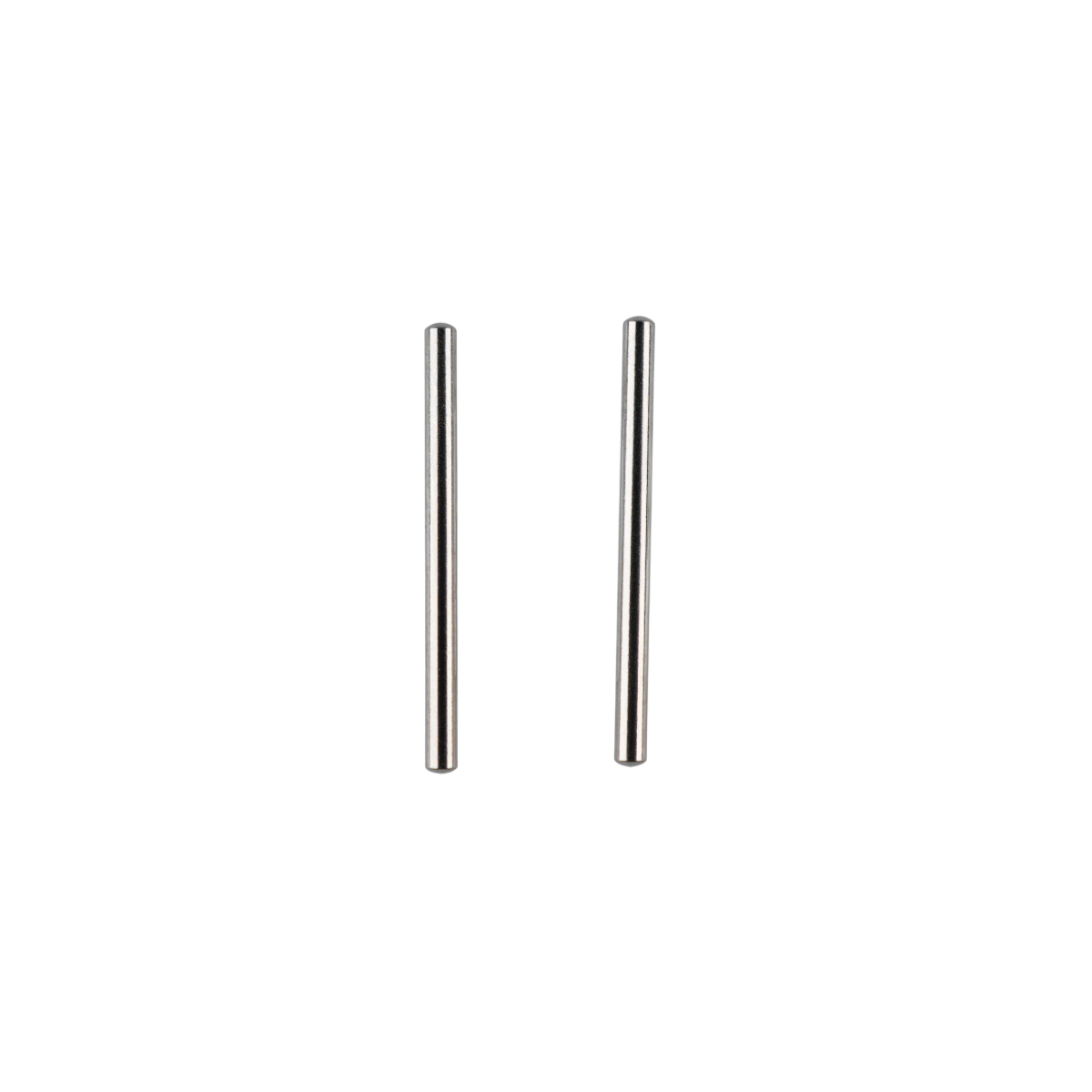
Each order includes two rivet pins, enough to replace the pins on one clasp.
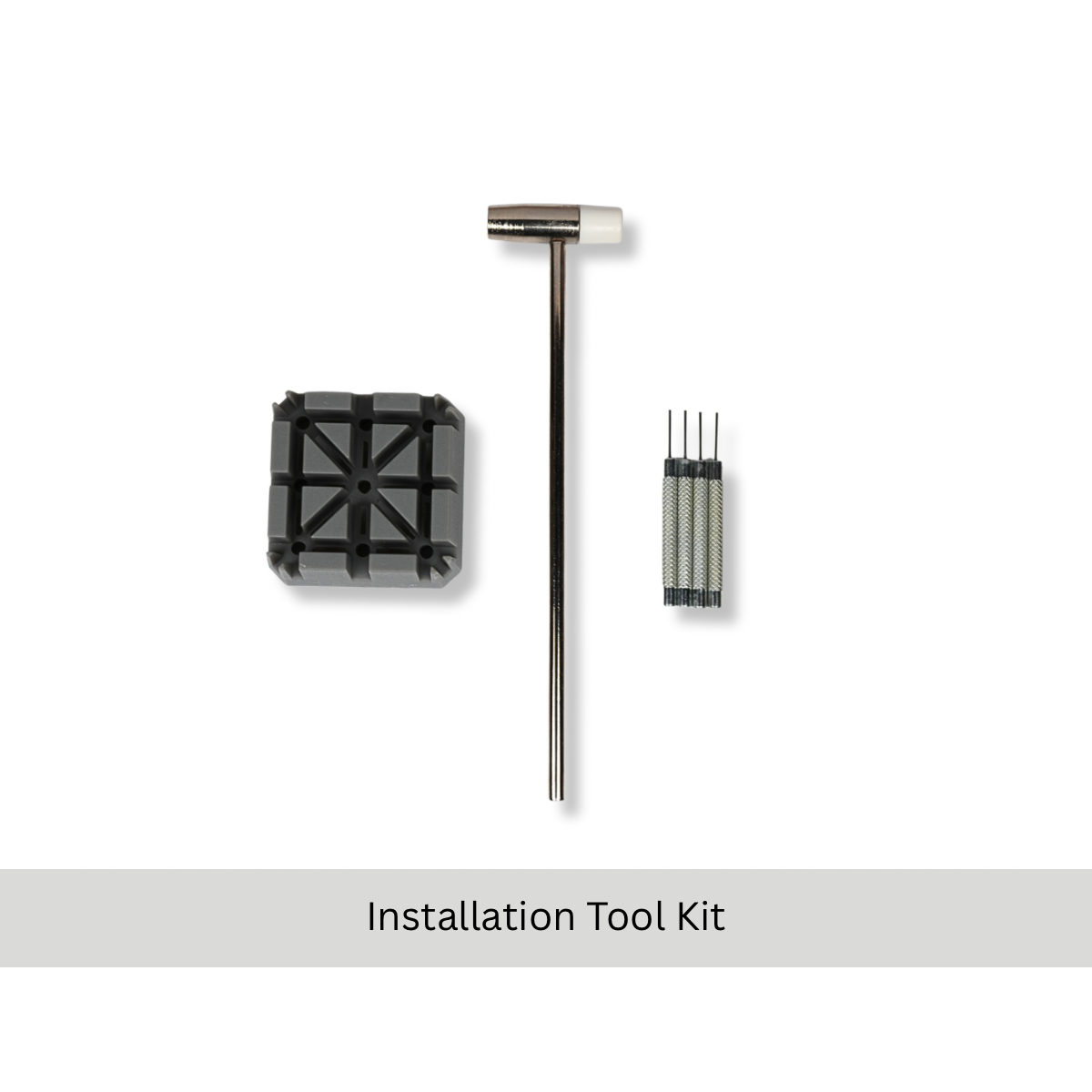
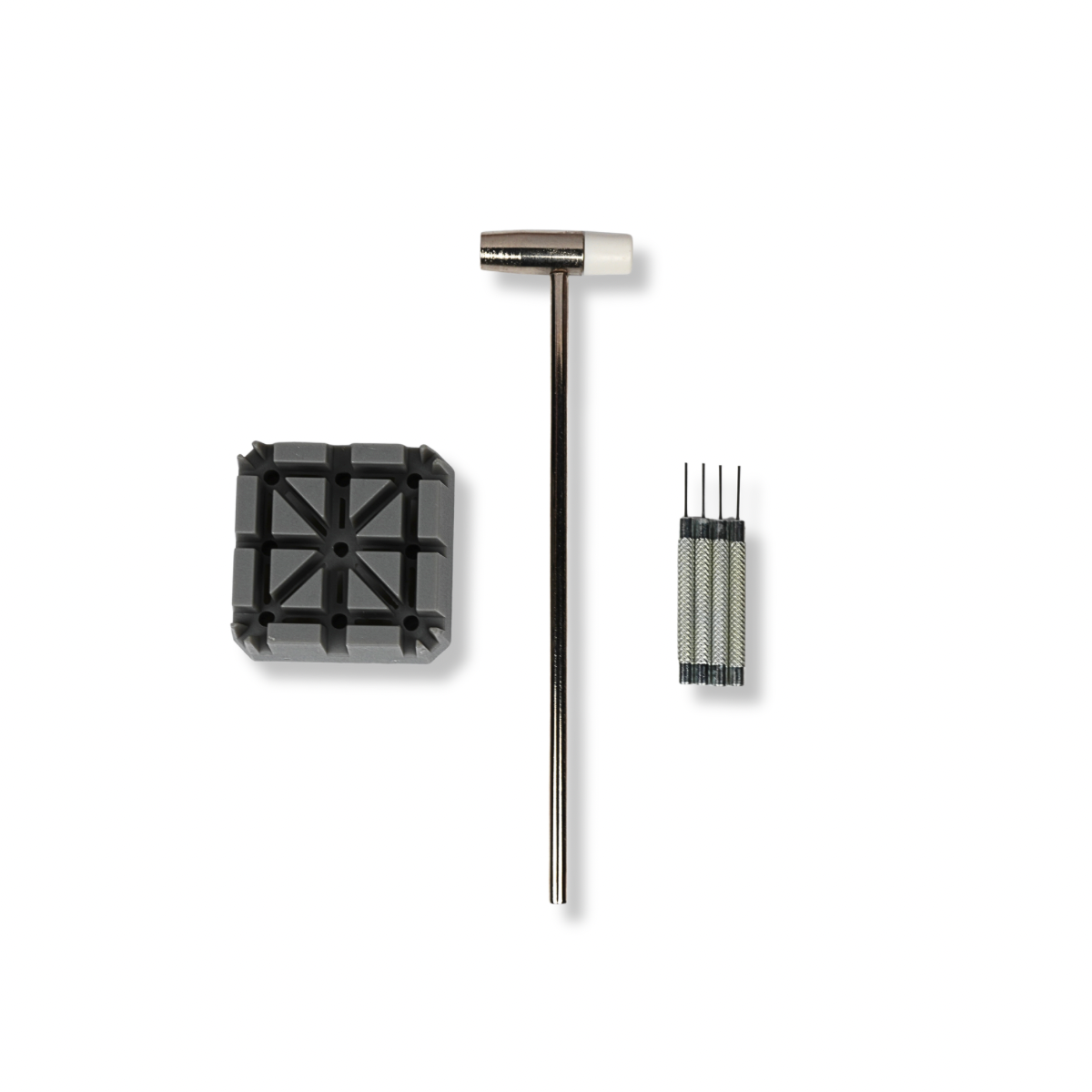
The correct installation tool makes fitting and removing these pins much easier and helps prevent damage to the bracelet or clasp. You can purchase the pins alone or select the option that includes our dedicated installation tool.
The tool is not required if you already have the proper watchmaking equipment and experience, but we highly recommend it for a clean and safe installation.
Whether you are restoring a 1950s Rolex, servicing a 1960s Jubilee, or replacing worn clasp pins on a later vintage Oyster bracelet, these rivet pins provide an accurate and professional solution for your vintage Rolex bracelet.
Hey there! It's pretty simple: we totally want you to fall in love with what you buy from us, just like we have. Not feeling it 100%? No stress! Just hit us up, and we promise we'll sort it out for you.
Always measure the watch lug width, not the spring bar itself. The correct size is the distance between the inner edges of the lugs where the strap sits. Measuring the spring bar can be misleading because spring bars compress and extend.
Use a digital caliper for the most accurate result. Measure the inside distance between the lugs in millimeters. If you do not have a caliper, a ruler can be used, but accuracy may vary. Always round to the nearest standard size such as 18 mm, 20 mm, or 22 mm.
Spring bars are spring loaded and can appear shorter or longer depending on compression. Measuring the spring bar itself often results in the wrong size. The lug width of the watch case is the only reliable reference.
Thickness depends on the watch and strap.
1.5 mm is ideal for dress watches, vintage watches, and straps with tighter tolerances.
1.8 mm offers increased strength and is recommended for sports watches, tool watches, and heavier straps.
Always ensure your lug holes and strap can accommodate the selected thickness.
Yes. These spring bars are designed with precise tolerances to fit both standard lug holes and solid lug hole cases. For solid lug watches, always verify that the lug hole diameter supports the selected thickness before installation.
No. Many spring bars look the same on the outside, but the quality can be completely different. Cheap spring bars are often made from low grade steel with weak springs, while premium spring bars are made to manufacturer and Swiss standards.
Yes. Spring bars hold your watch on your wrist. Low quality spring bars can bend, lose tension, or break over time, which can cause your watch to fall and get damaged. A broken spring bar can cost far more than a proper high quality replacement.
High quality spring bars are made from 316 stainless steel, use stronger internal springs, and are tested for tension and durability. They resist corrosion, keep their strength over time, and provide much better security for your watch.
MADE IN ITALY

Finest Premium Italian Leather
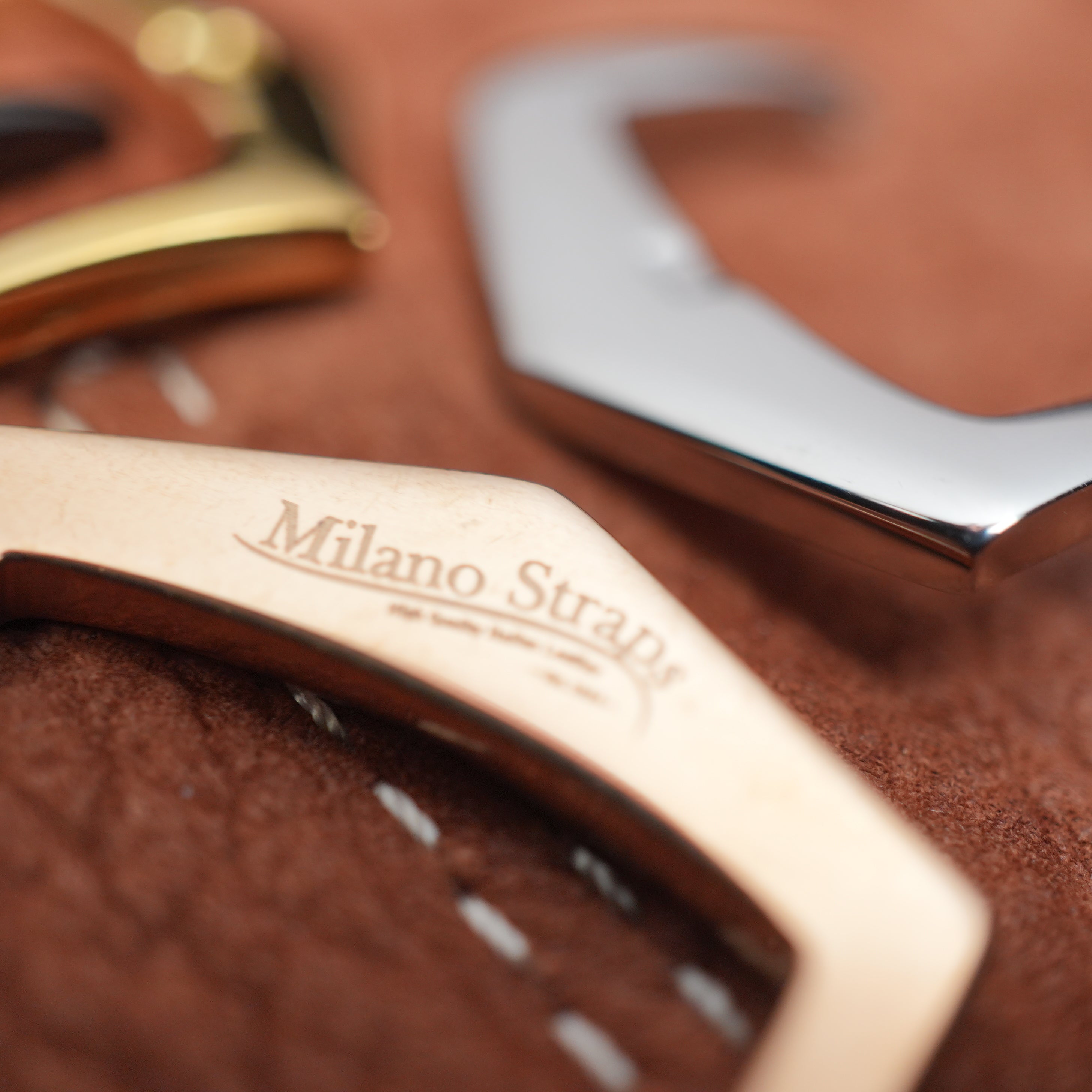
Swiss Structure and Hardware
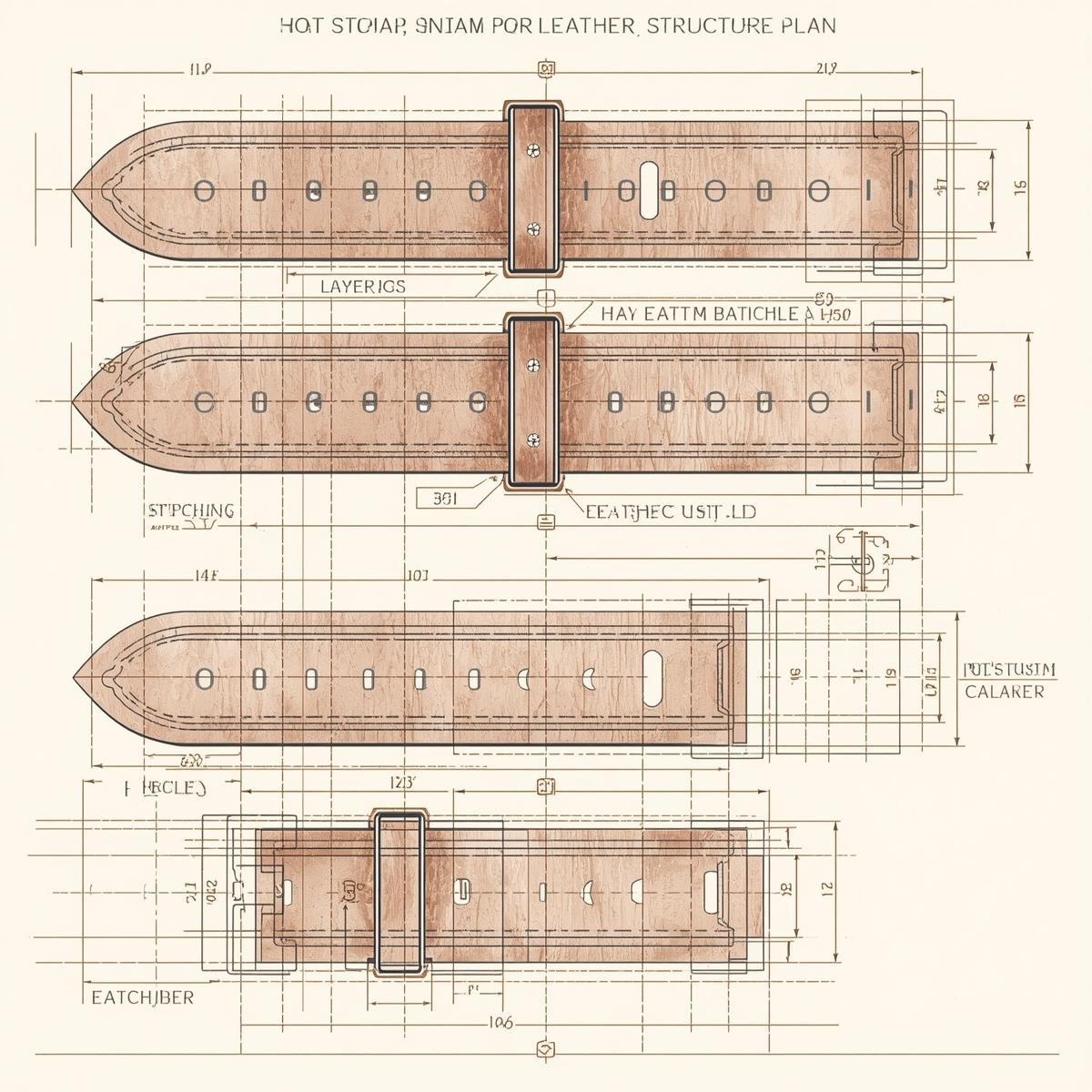
Designed By Watchmaker
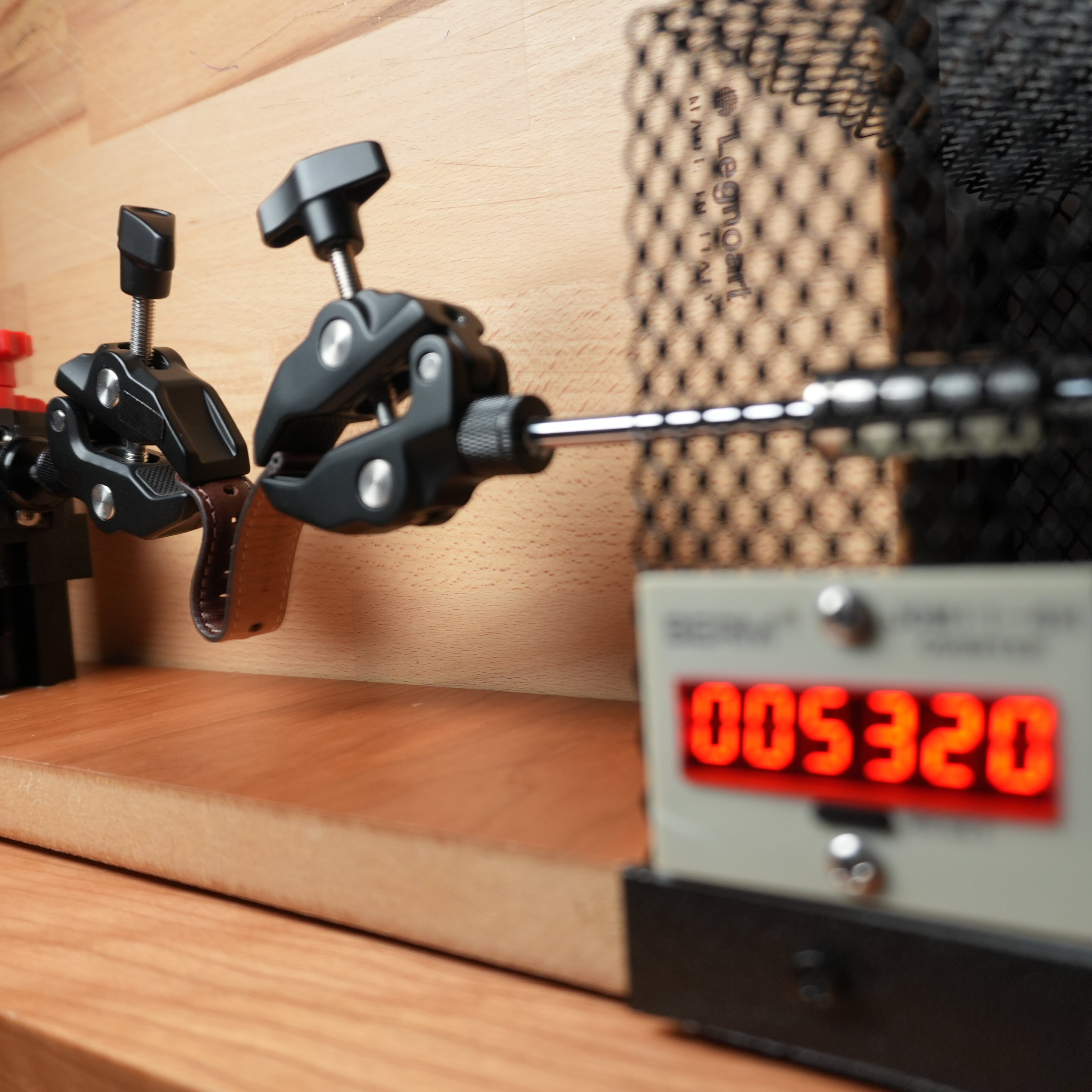
Craftsmanship and Testing
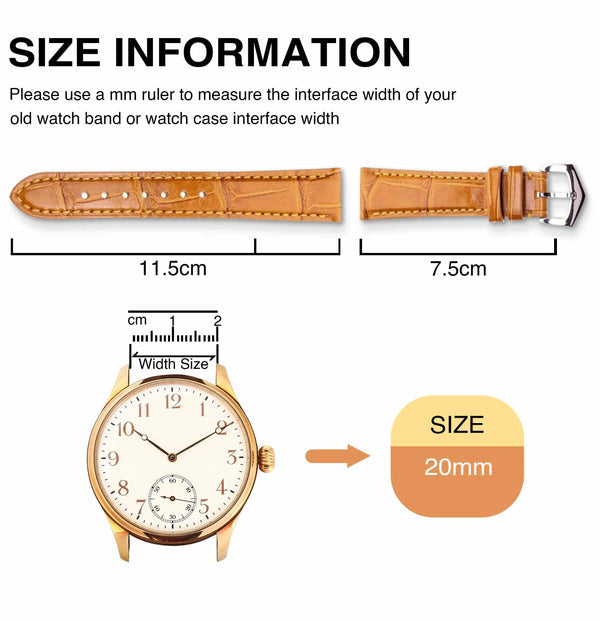
How to Measure a Watch Strap :
Remove the Strap (if needed):
- Take off the watch strap if it is still attached. This ensures precise measurement of the lug width.
2. Locate the Watch Lugs:
- The lugs are the small metal bars or openings on the watch case where the strap attaches.
3. Measure the Lug Width:
- Place the ruler across the inside of the lugs.
- Measure the distance between the two inner edges of the lugs (in millimeters).
4. Determine the Strap Width:
- The strap width should match the lug width to fit securely.
- For example, if the lug width is 20 mm, you need a strap that is also 20 mm wide.
💡 Pro Tip: Use a precision ruler or caliper for the most accurate measurements.