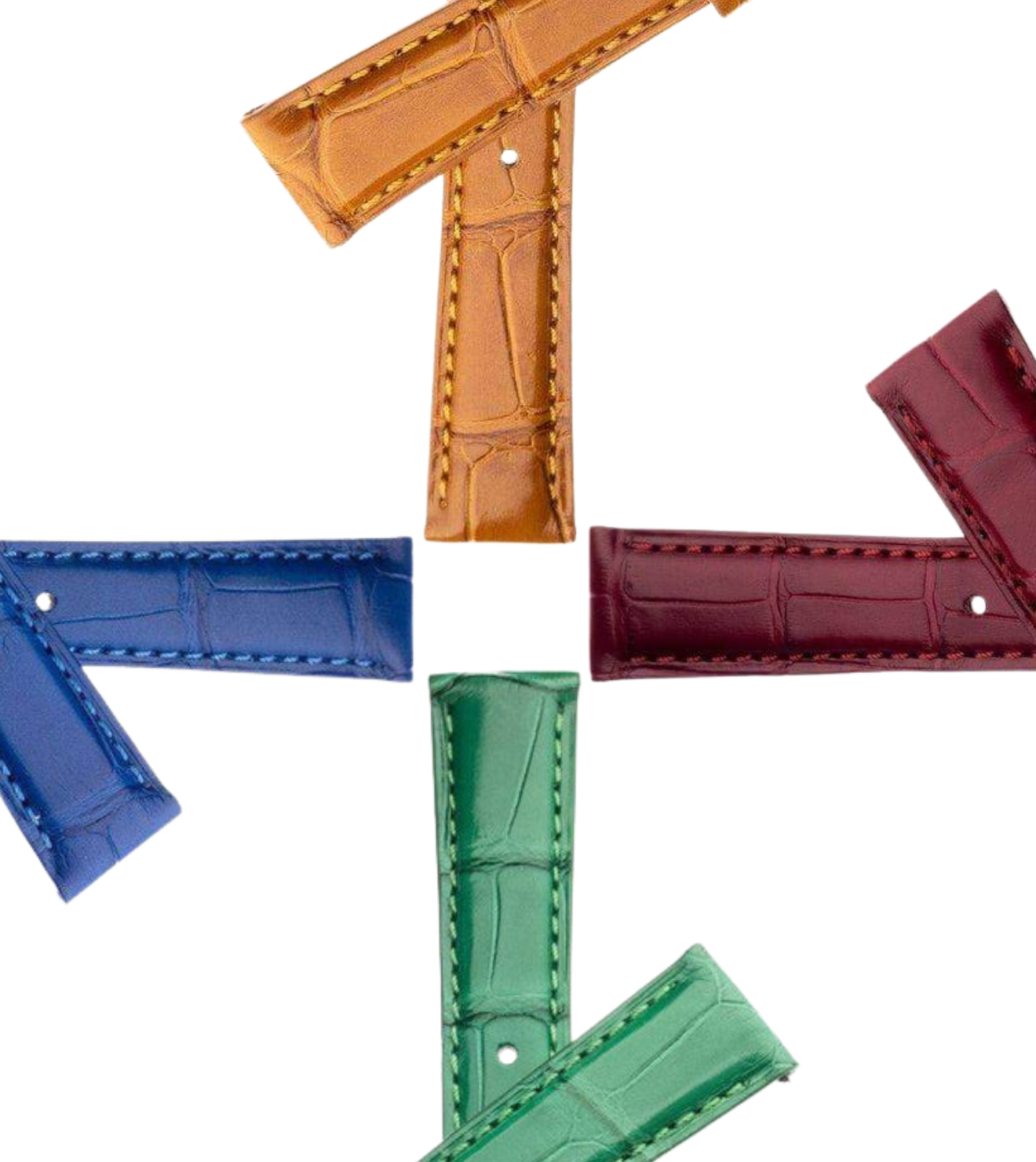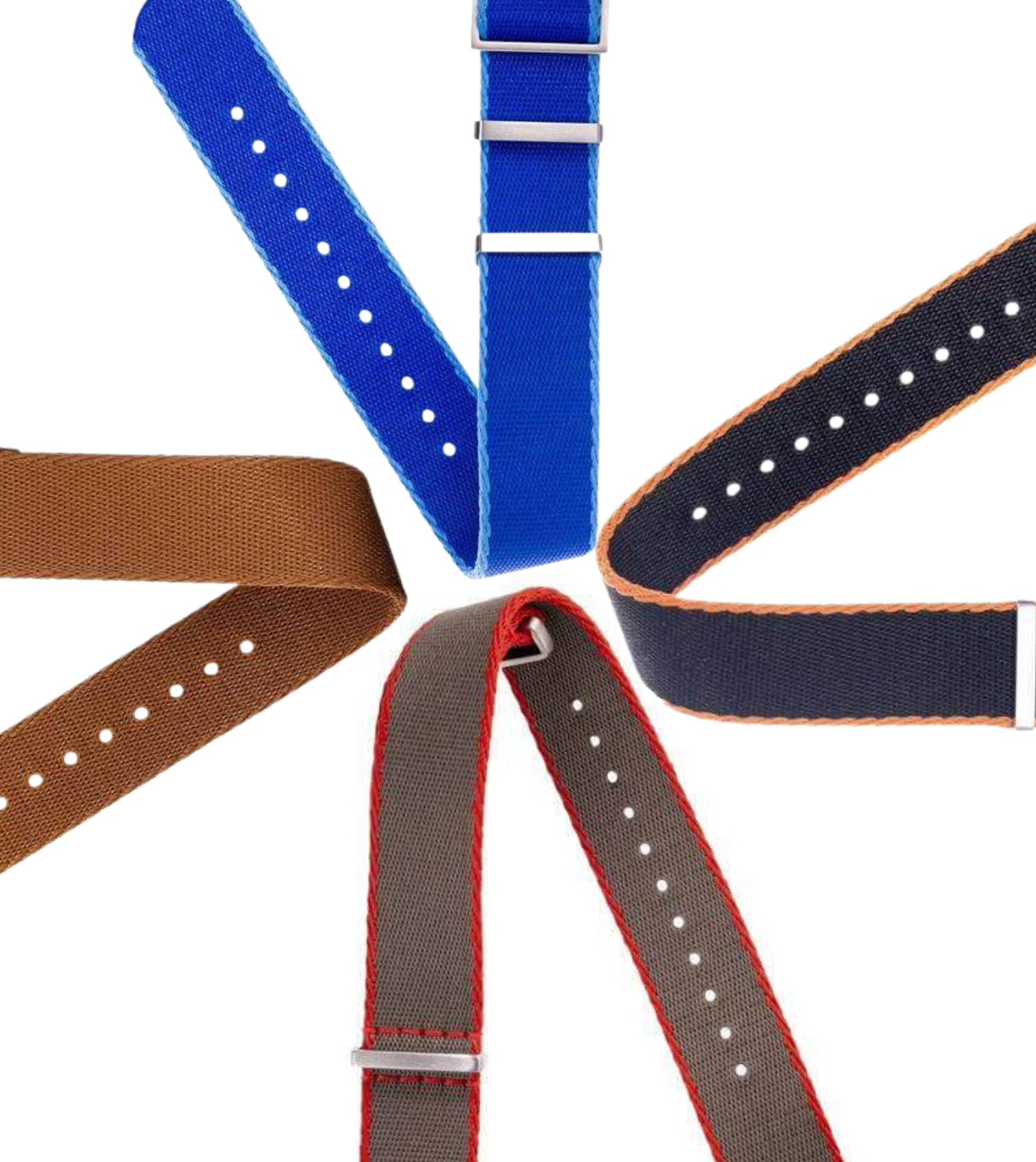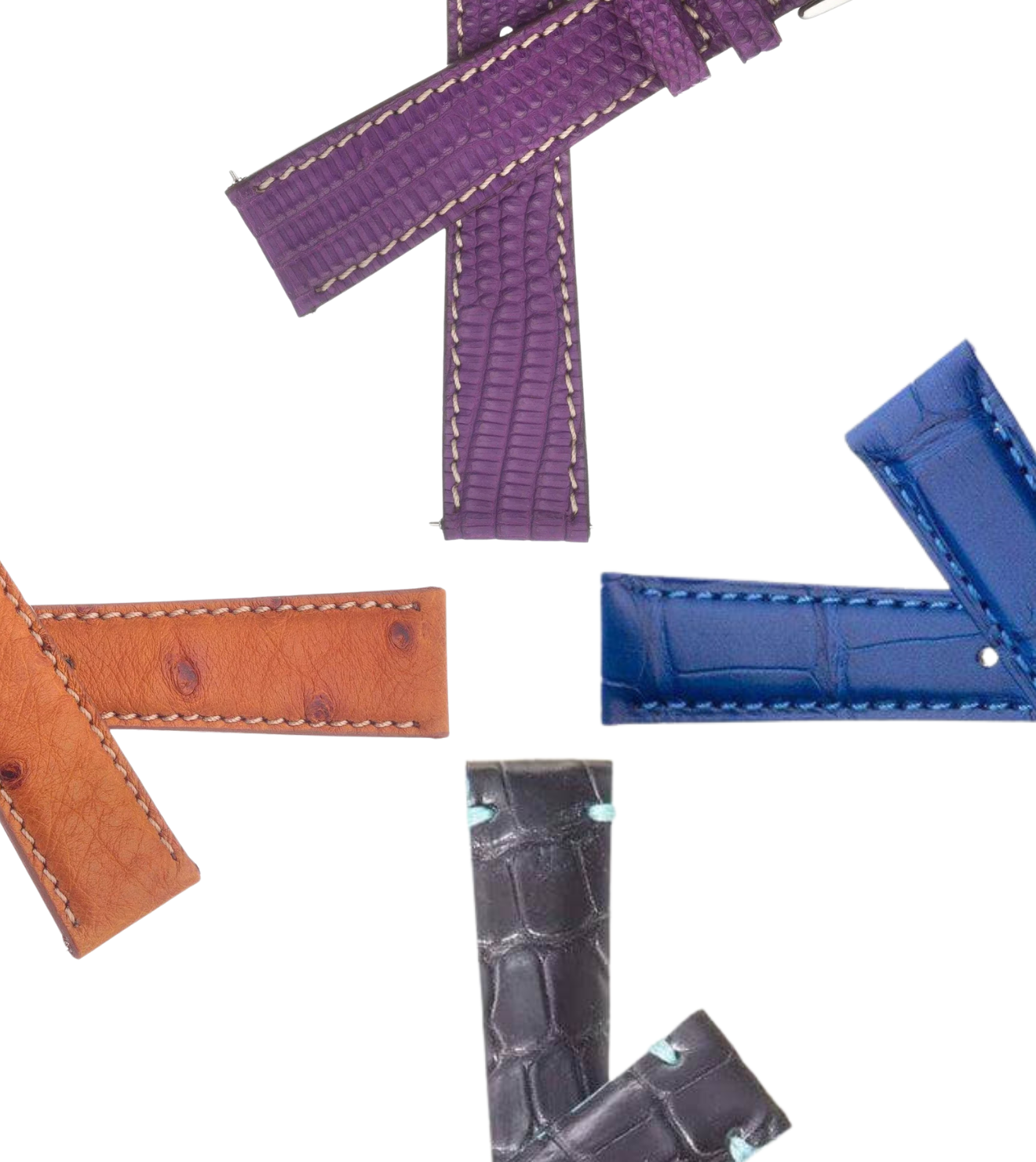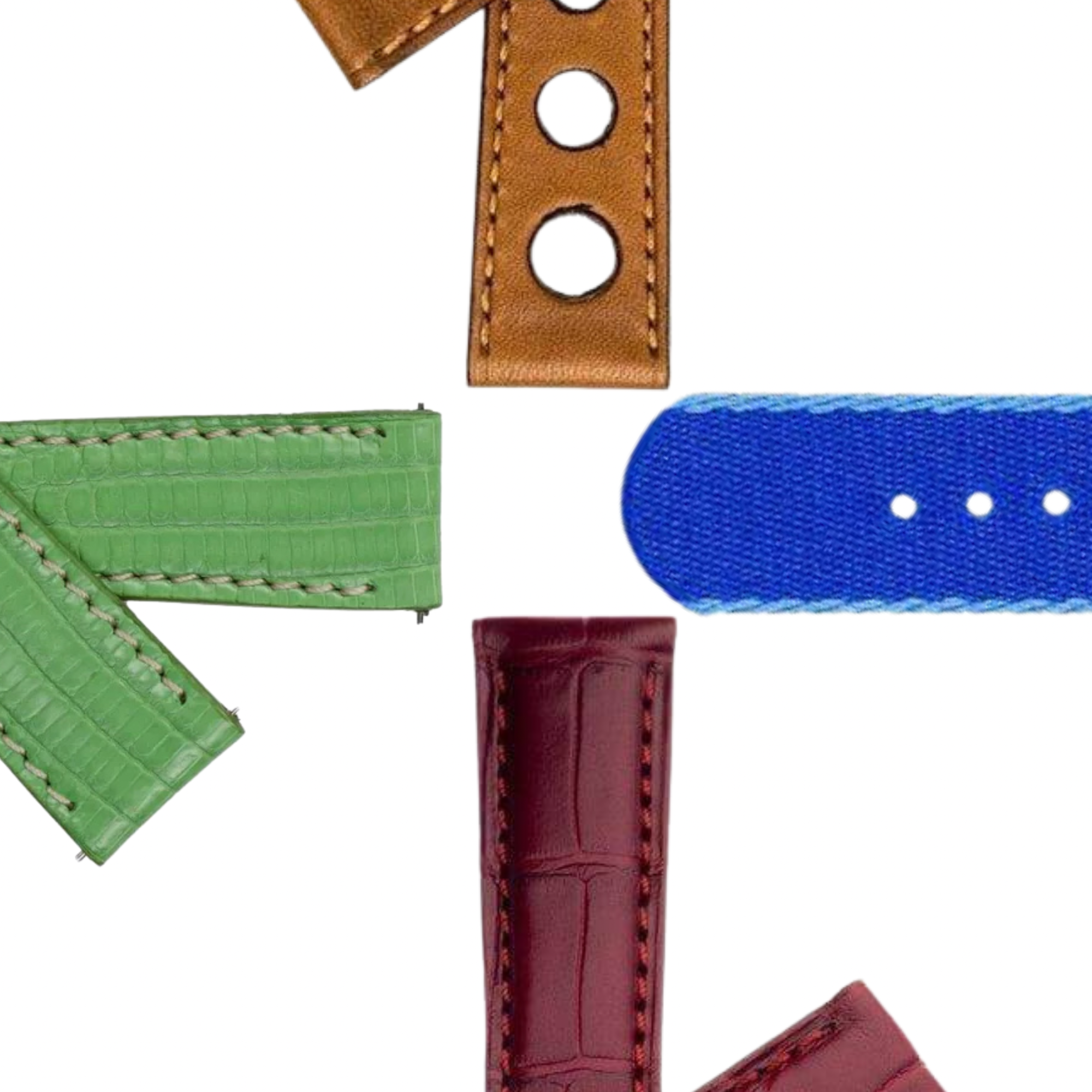

How to Actually Recognize a Premium Vintage watch Straps

Many vintage leather watch straps online are described as “genuine leather” or “vintage leather”.
In reality, two straps that look identical from the front can be completely different products internally.
The real difference is not color, not style, and not branding.
The difference is construction.
This guide explains how to identify a true full leather vintage watch strap and how to immediately recognize a lower quality strap once you turn it over.
[ SHOP THE VINTAGE WATCH STRAPS COLLECTION ]
1. The First Thing To Check: The Back Side
The back side tells you almost everything about the strap.

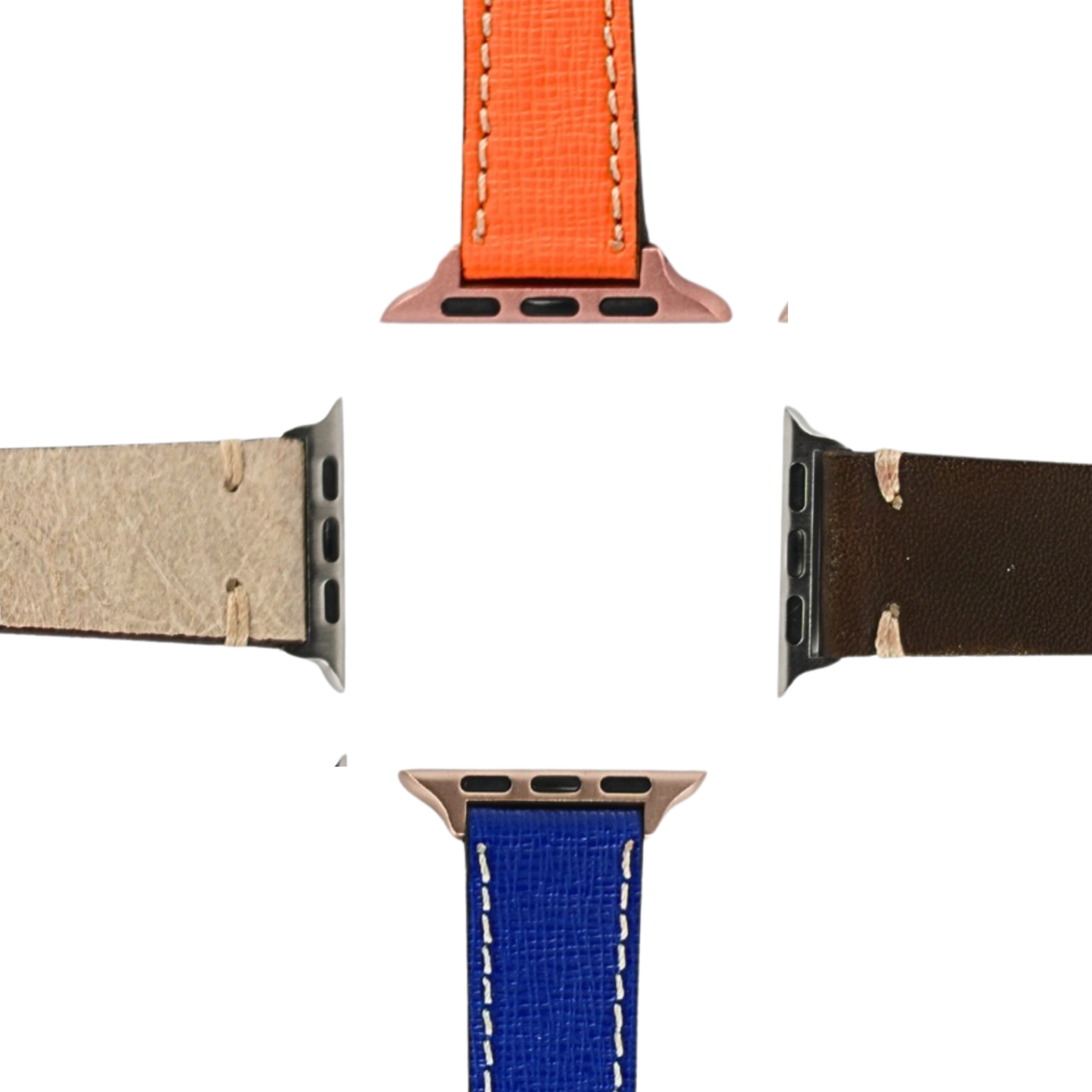
A true high quality vintage leather strap uses the same leather hide on both sides.
The underside will show natural leather fibers, pores, and a slightly suede texture.
Most generic straps do something different.
They cut a thin top layer for appearance, then attach:
• synthetic lining
• coated leather
• bonded leather
• fabric backing

Why manufacturers do this: it is cheaper and easier to mass produce.
The problem:
The strap is no longer structurally one piece.
This is the single biggest difference between a real leather strap and a decorative leather strap.
⸻
2. Spring Bar Security (Very Important and Almost Never Explained)
At the watch lugs, the spring bar holds the entire weight of the watch.
In a full leather vintage strap, the spring bar hole is supported by the entire thickness of the leather strap.
In a generic strap, the top leather layer is thin and the backing layer carries the stress.
Over time this causes:
• elongating holes
• cracking
• strap separation
This is why some straps suddenly fail near the watch case.
A single piece leather construction distributes the force across the whole strap, not just the edges.
⸻
3. Stitching and Structural Sewing
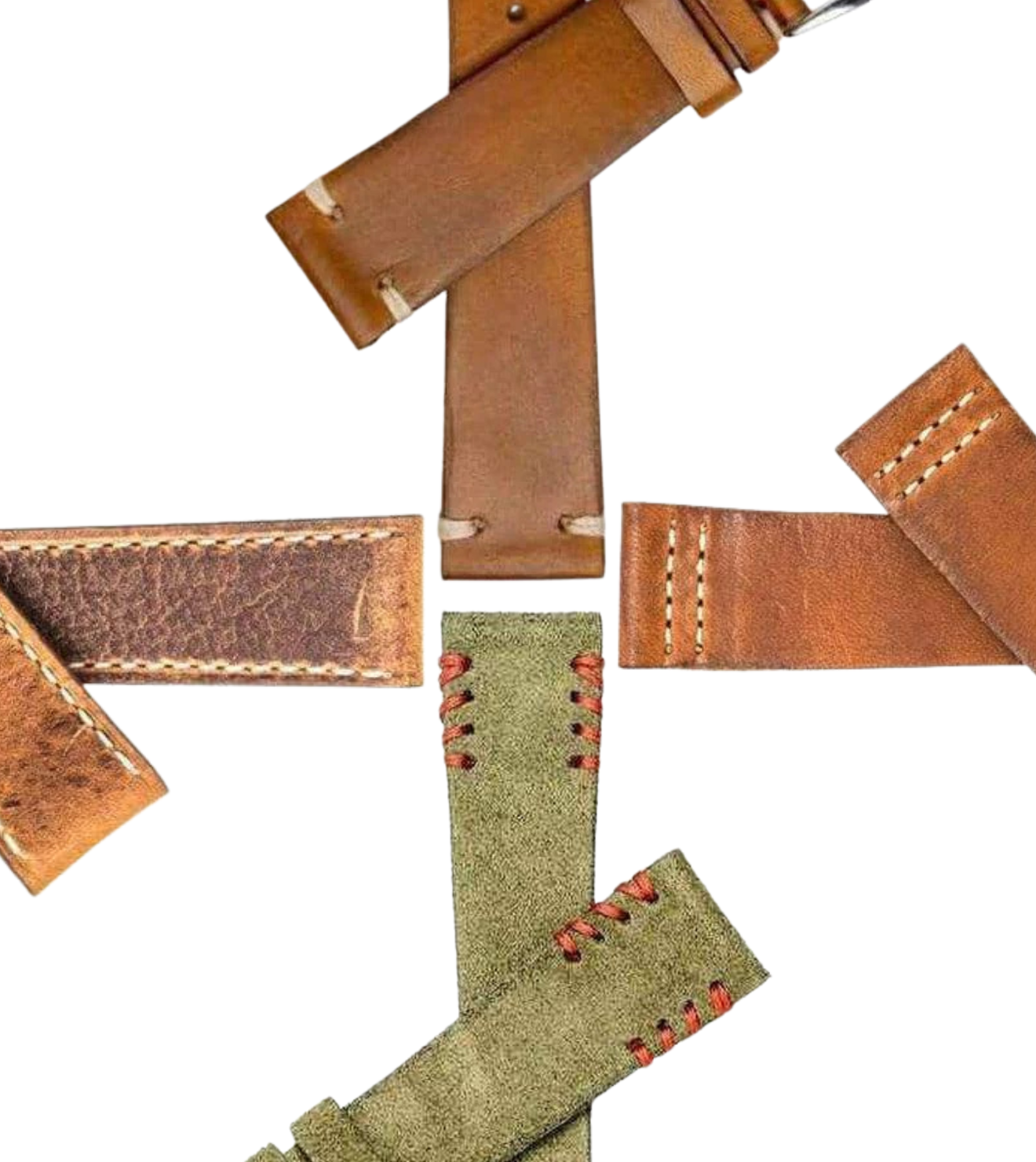
High quality vintage straps use thick thread and deep stitching.
This is not decorative.

It reinforces stress points:
• near the lugs
• near the buckle
• near the keepers
Generic straps often use thin machine stitching that only holds the lining in place.
If the lining fails, the strap fails.
Thicker stitching increases both strength and lifespan significantly.
⸻
4. Edges and Finishing
Look closely at the edges.

A true vintage leather strap has finished edges that are:
• burnished
• sealed naturally
• slightly rounded
Lower quality straps hide the layers using heavy paint or coating.
After use, that coating cracks and peels because the strap is made from multiple materials.
This is why many straps start looking old very quickly while others age beautifully.
⸻
5. The Tip of the Strap (A Small Detail That Reveals Everything)
The pointed end of the strap is a stress point.
Every time the strap is worn, bent, and inserted into the buckle, that area is under constant pressure.

On a well made vintage strap:
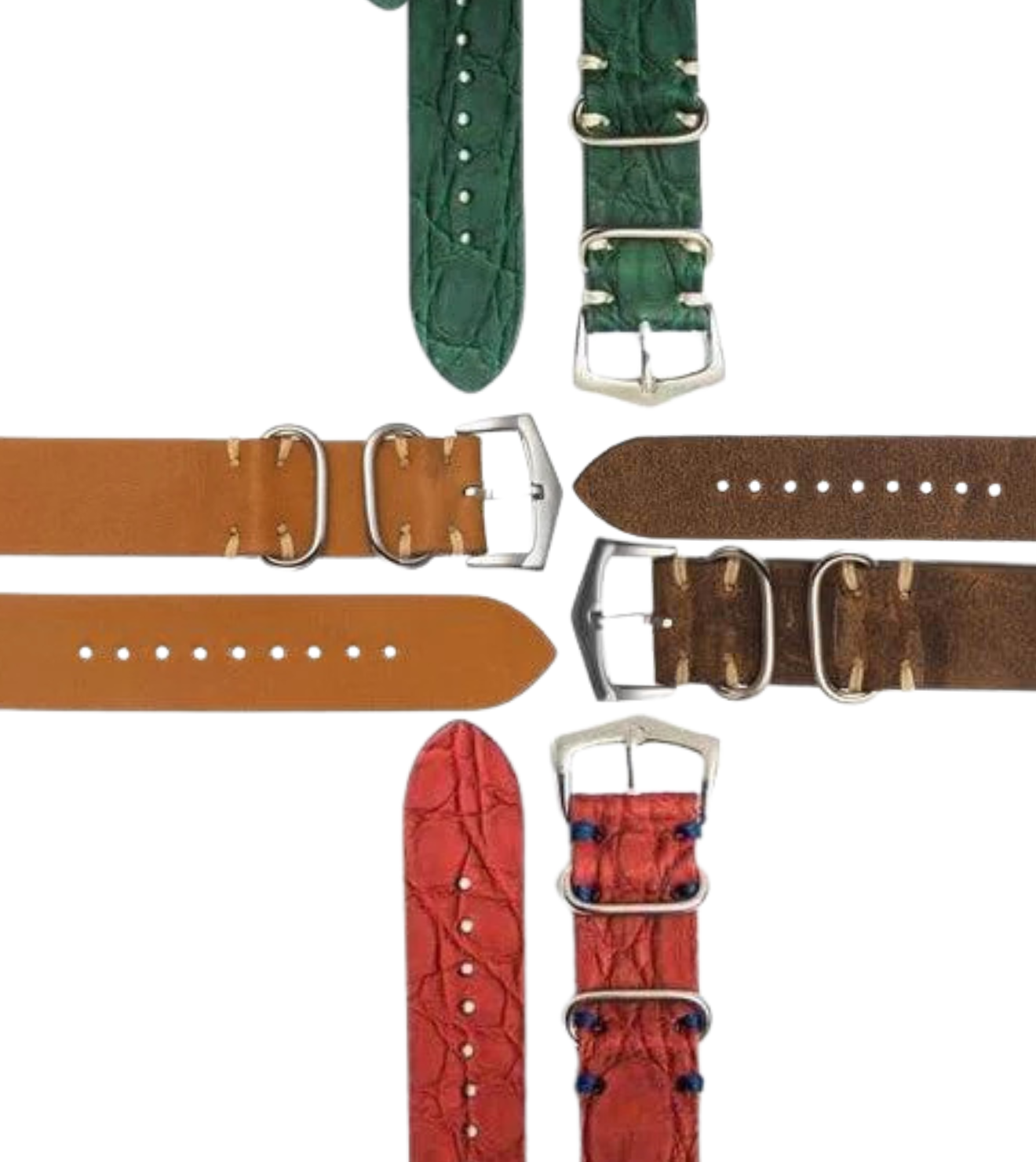
• stitching reinforces the tip
• leather thickness remains consistent
• no glue separation
On lower quality straps, the tip is glued and pressed.
Eventually the layers separate.
This is usually the first visible failure point.
⸻
Why This Matters
A leather strap is not only appearance.
It is a structural component holding a valuable watch on your wrist.
A real vintage leather strap is designed to age, soften, and last many years.
A decorative leather strap is designed to look good initially but wear quickly.
Once you understand what to look for, you no longer need marketing terms like “premium” or “genuine leather”.
You can evaluate it yourself.
Check:
• same leather on both sides
• spring bar reinforcement
• thick stitching
• natural edge finishing
• reinforced tip
These features determine durability, safety, and comfort far more than brand names.
Conclusion
In the end, the quality of a strap is revealed not by its color or marketing description but by its construction. A properly made piece uses real leather on both sides, reinforced stitching, and secure spring bar support so the strap ages naturally instead of deteriorating. Once you understand these details, it becomes easy to recognize the difference between appearance and true durability. If you want to see how these characteristics look in practice, you can explore our collection of vintage leather straps and examine the materials and finishing up close.