
Why Your Rolex Bracelet Might Be Ruining Your Watch’s Value

Key Takeaways for Serious Collectors
• Preserve serial numbers by eliminating steel on steel friction between the lugs
• Prevent bracelet stretch and irreversible metal fatigue
• Avoid catastrophic drops caused by worn pins or weak spring bars
• Increase versatility with the Nokia effect of interchangeable leather straps
• Protect long term vintage Rolex value before the damage becomes permanent
[ SHOP THE ROLEX LEATHER STRAPS COLLECTION ]
The Hidden Danger Most Collectors Ignore
Most collectors believe keeping a Rolex on its original steel bracelet is the safest way to preserve its value. For modern daily wear that may feel logical. For vintage pieces, it is often the opposite.
Over decades, steel end links sit tightly between the lugs. But they never sit still. Every wrist movement causes micro shifts. The bracelet links move like a saw, slowly grinding against the case. It is not visible day to day, but over 20, 30, or 50 years, that motion becomes destructive.

Between the lugs is where the Rolex serial number and reference number live. That is the identity of the watch. When the links continue to move under pressure, the friction can gradually erase those engravings.
Once the numbers fade, provenance fades. In the vintage market, provenance is value.

Today, vintage Rolex value depends heavily on sharp case numbers. Auction houses photograph them. Buyers verify them. If the engraving is weak due to Rolex end link wear, the watch becomes harder to sell and commands less money
After decades in this industry, we are seeing this clearly. Watches produced in the 1950s and early 1960s frequently show heavy wear or completely erased serial numbers between the lugs. The metal simply could not survive 60 or 70 years of steel moving under tension.
Within the next 20 years, references from the 1970s, 1980s, and 1990s will follow the same pattern. This is not speculation. It is mechanical certainty. Rolex serial number preservation should be a priority now, not later.
The Stretched Steel Problem
Another overlooked issue is bracelet stretch.
Vintage folded link and rivet bracelets were never engineered with modern tolerances. What collectors call stretch is actually metal wearing thin around the internal pins. Over time the bracelet becomes loose and elongated.
More importantly, it becomes fragile. If a worn pin fails, your Submariner or Datejust does not gently land on carpet. It hits concrete.
Many experienced dealers quietly advise preserving the original bracelet separately. Store it. Protect it. If necessary, invest in professional bracelet stretch repair rather than risking daily wear.
Switching to a high quality leather strap removes constant pressure from the lugs and dramatically reduces risk.
Do Not Ignore the Spring Bars
There is another critical point most owners overlook.

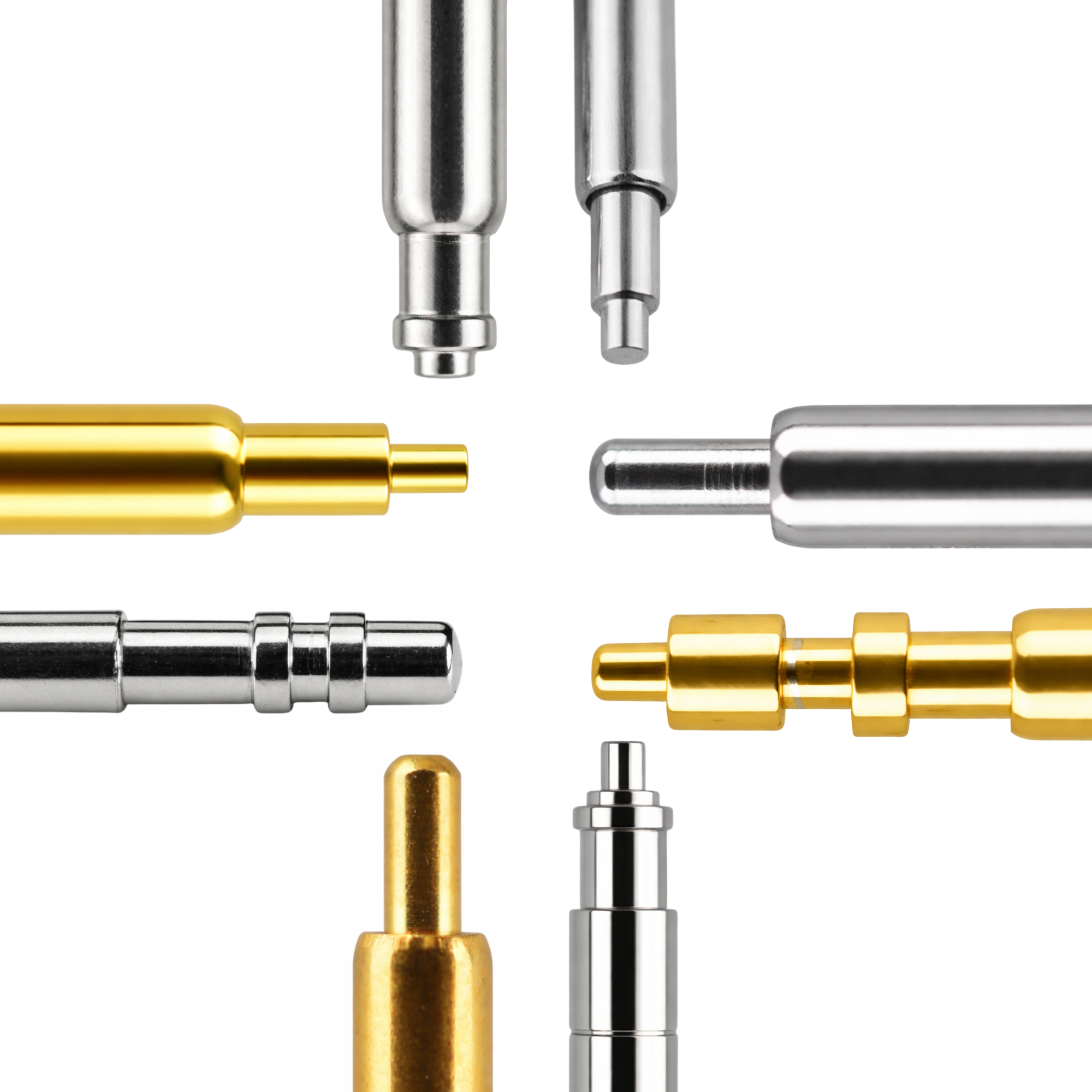
Even if you switch to leather, your security depends on proper high quality Rolex spring bars. Weak, generic, or worn spring bars are a major failure point. They are small components, but they carry the entire weight of the watch
Over time, inferior spring bars lose tension. If they collapse or disengage, the watch falls instantly.
If you are protecting a serious investment, use the correct specification spring bars engineered for Rolex tolerances. This is not an accessory decision. It is structural.
A proper setup is:
• Original bracelet preserved safely
• Daily wear on a premium leather strap
• High quality Rolex spring bars installed correctly
That combination protects both value and safety.
The Nokia Effect: One Watch, Ten Personalities
There is also a creative advantage and fun.

Remember the Nokia era. One phone. Multiple covers. You did not replace the device. You refreshed its identity.
Leather straps bring that same flexibility to horology.
One Rolex. Ten personalities.
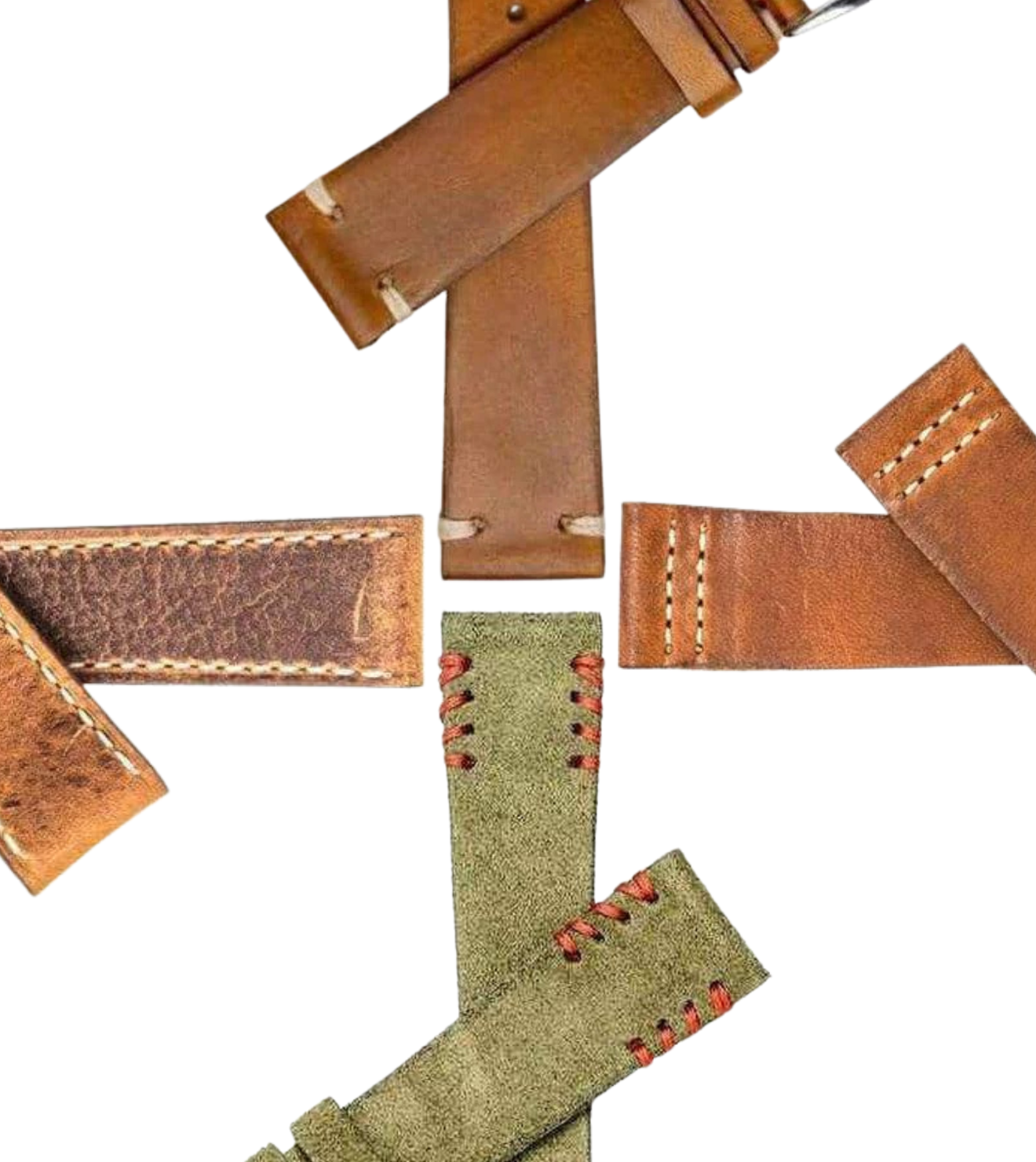
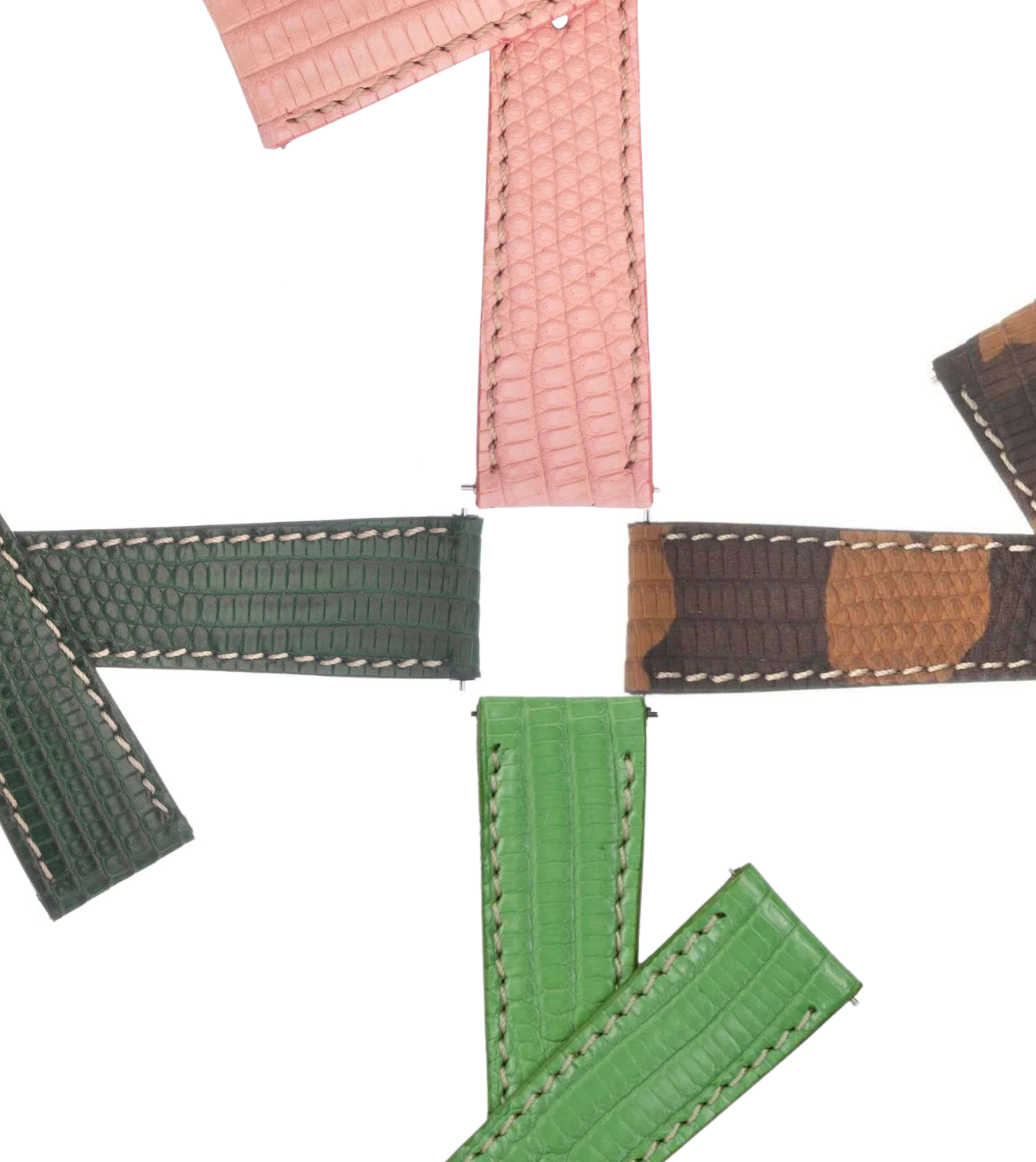
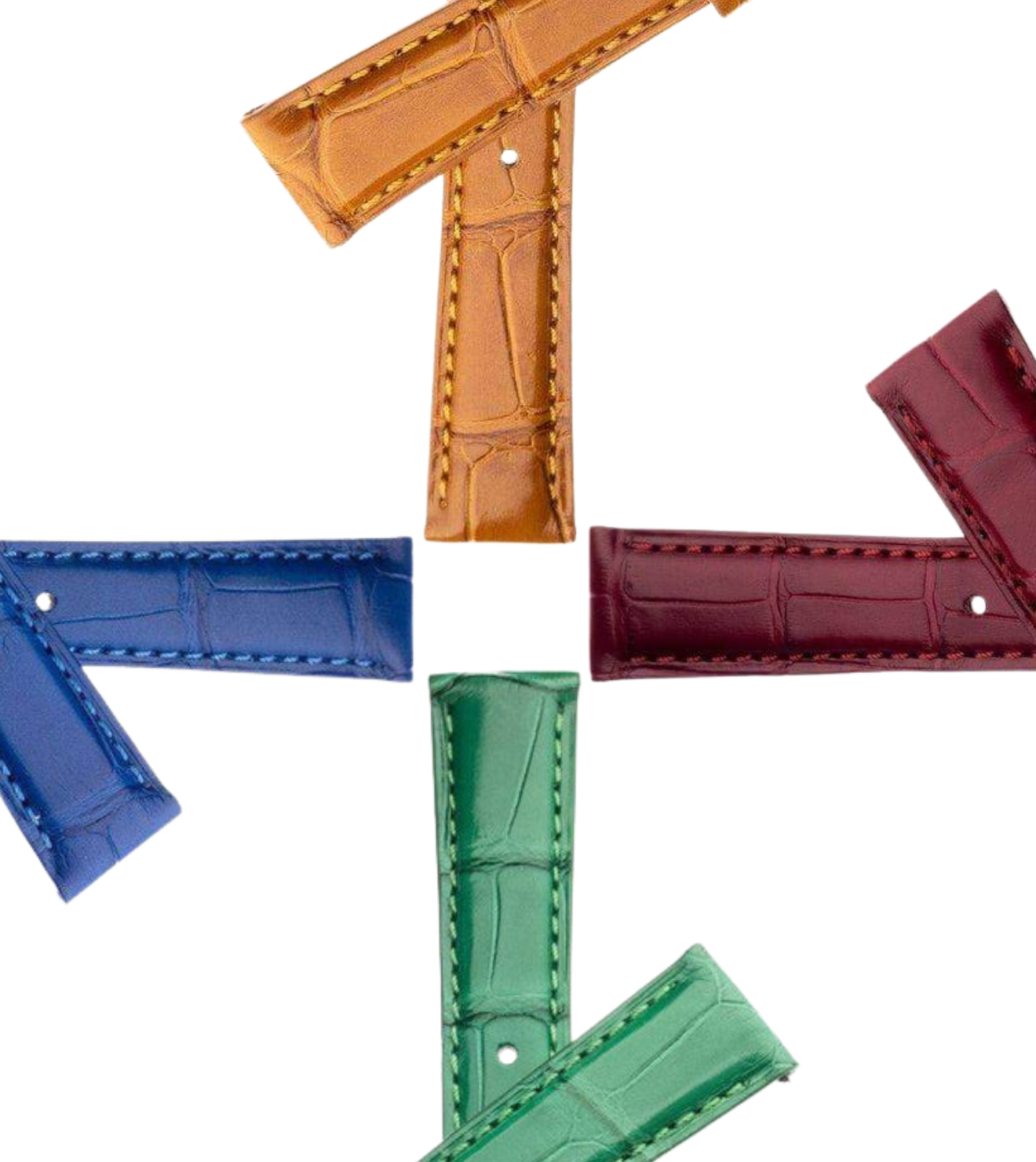
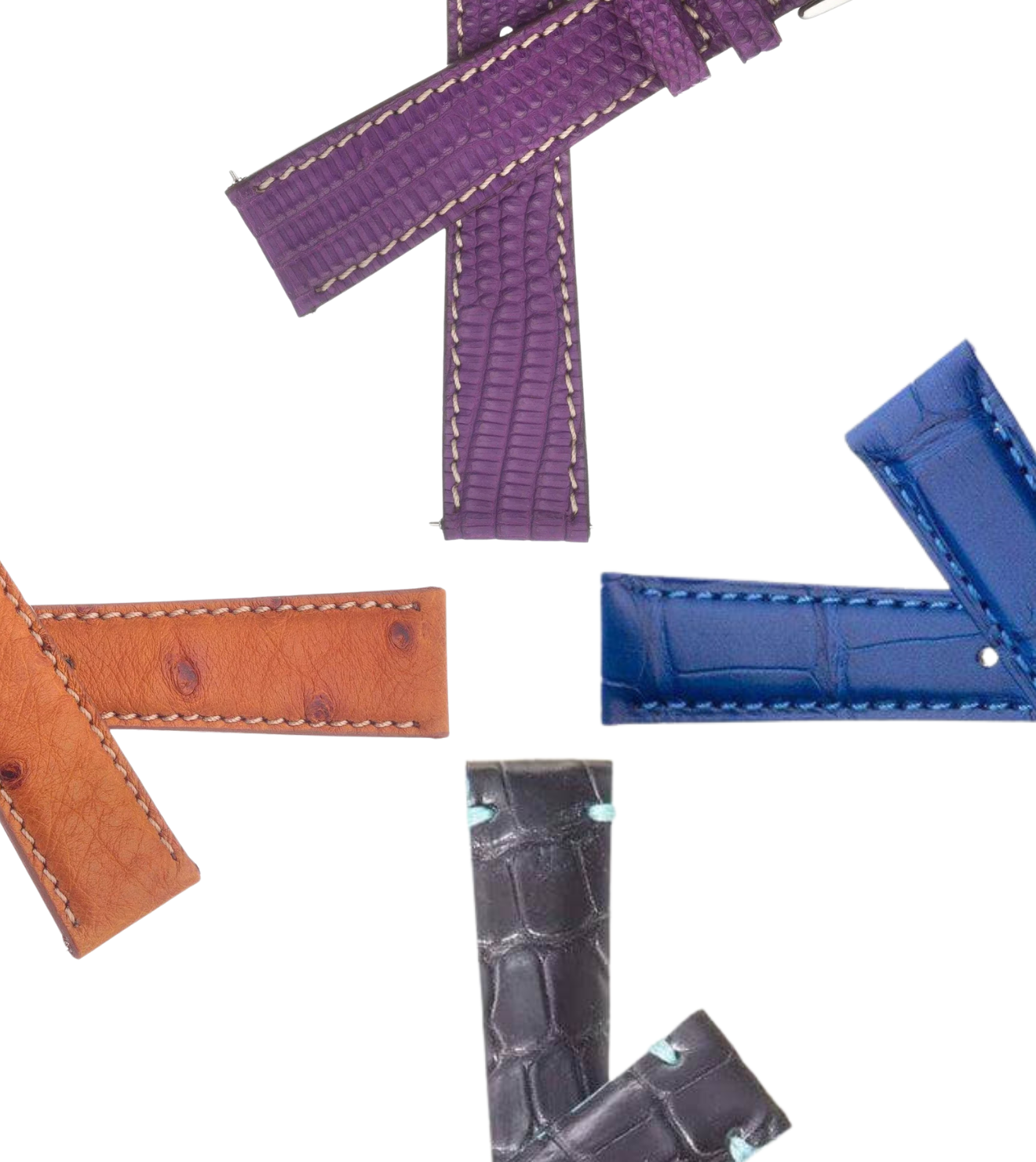
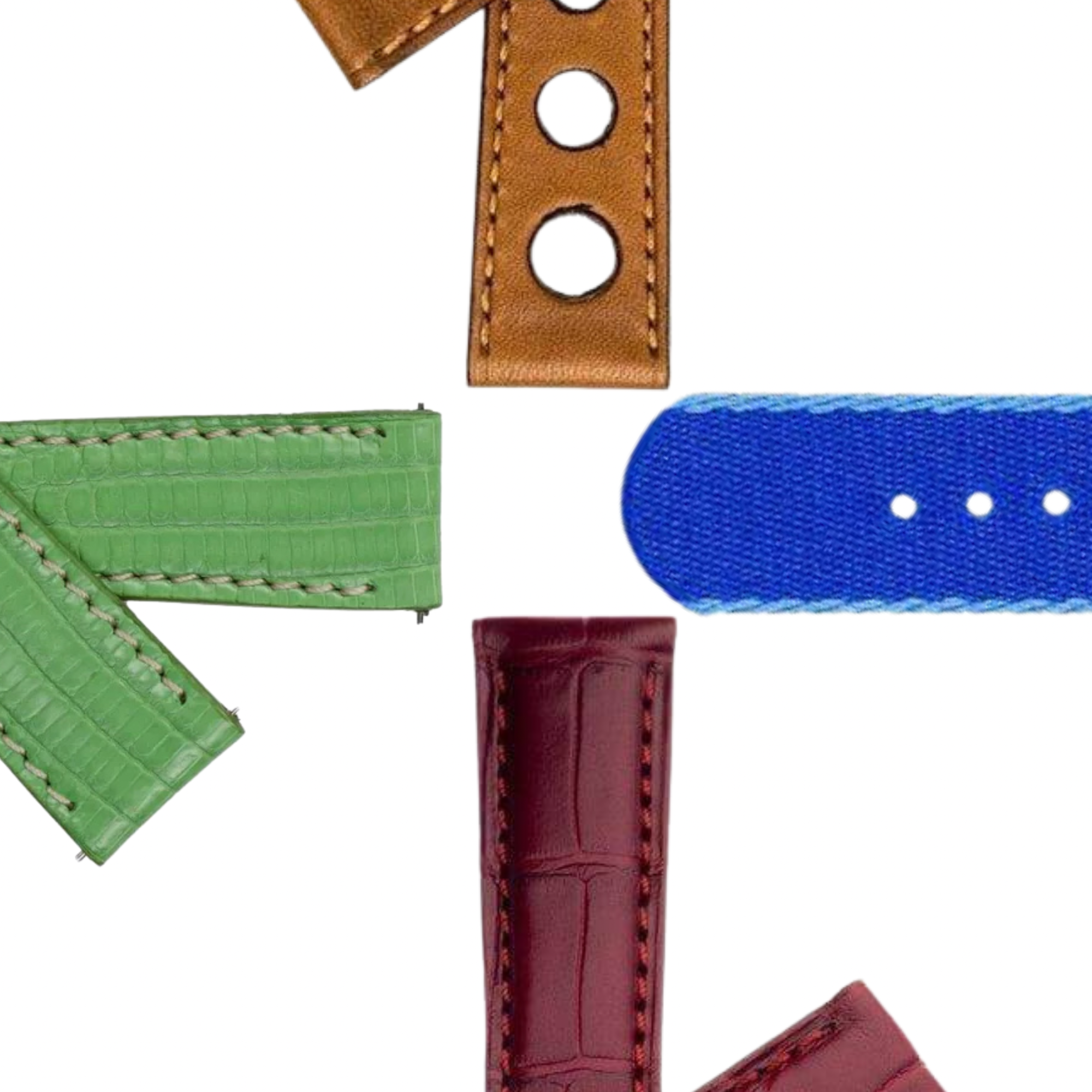
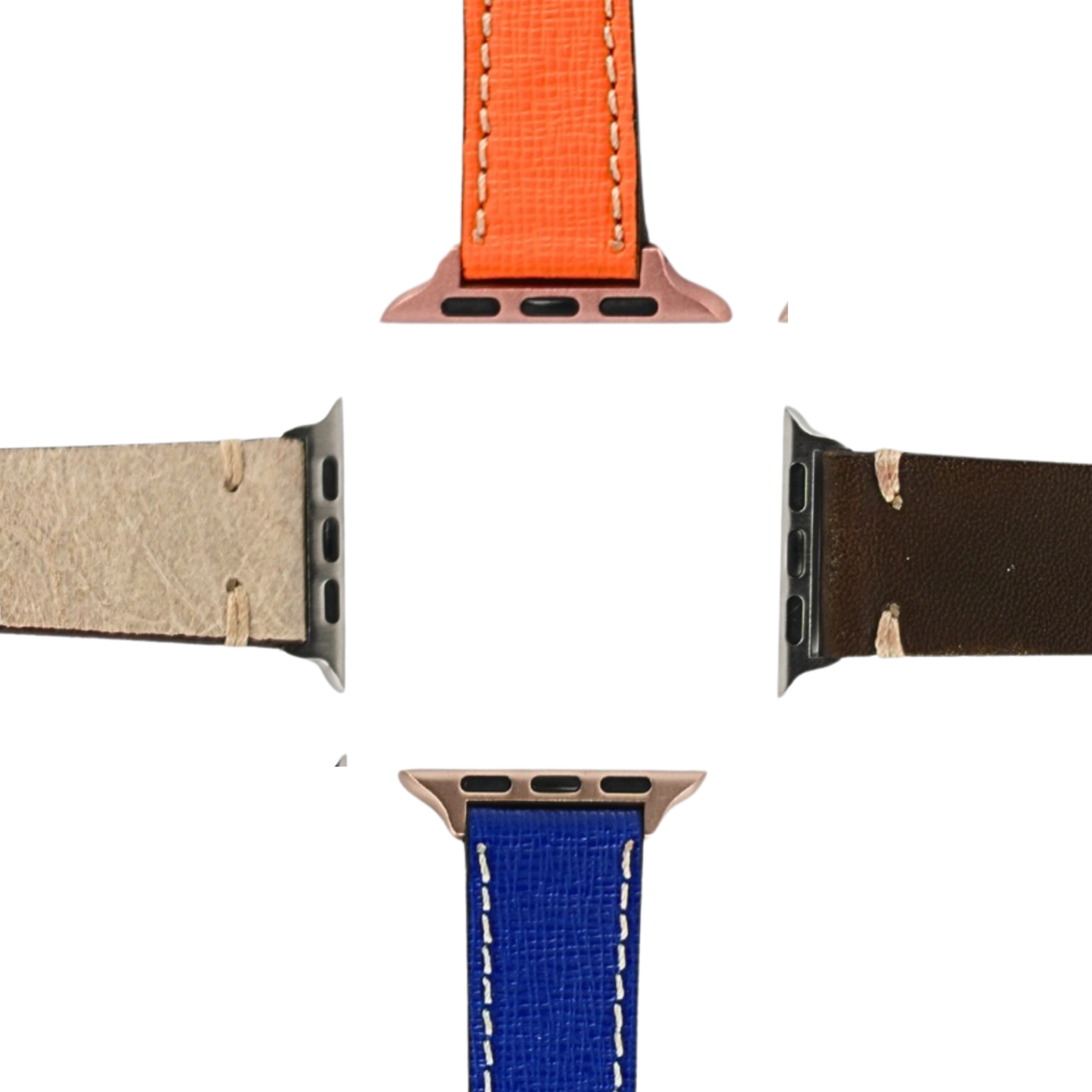
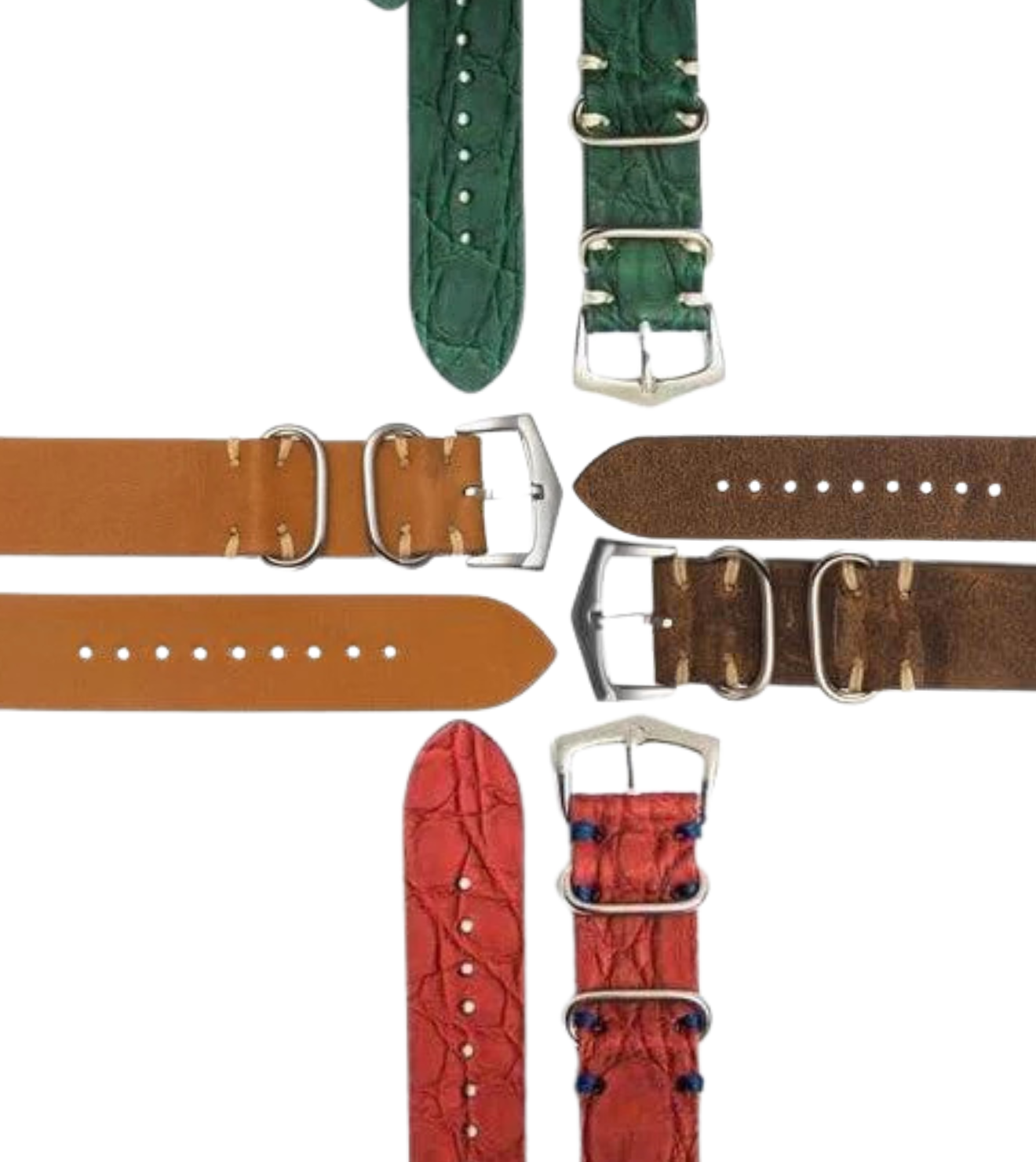
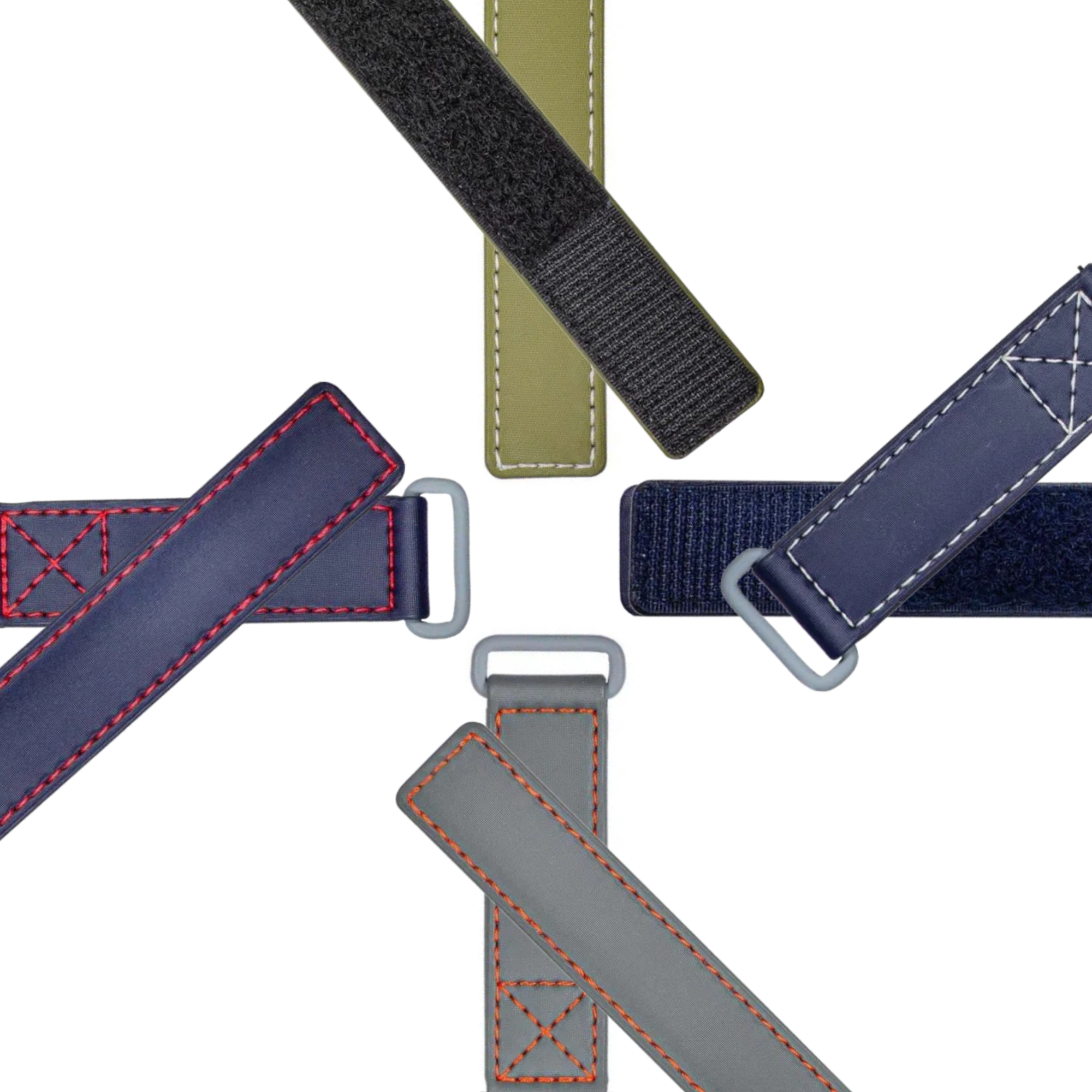
A Submariner on aged Italian leather feels rugged and historical. The same watch on black Alligator leather strap for dinner feels refined and architectural. A brown suede strap makes a Datejust warm and relaxed for daily wear.
You do not need thousands to buy another watch to create variety. You need the right strap.
This is why collectors searching for the best leather straps for Rolex Submariner Daytona GMT-Master Explorer or Datejust models are not only chasing aesthetics. They are building versatility without compromising the original hardware.
Leather Is Not a Replacement. It Is the Original
Early Swiss wristwatches were born on leather. Steel bracelets became common much later.

Wearing a Rolex on leather is not a downgrade. It is historically correct. It aligns with the officer watch tradition of early 20th century wristwatches.
Steel may feel permanent. Leather is actually foundational.
This is also why many of the most complicated and expensive watches in the world are traditionally paired with leather. The grand complications from Patek Philippe, especially perpetual calendars and minute repeaters, are overwhelmingly presented on leather straps. Leather frames the watch as an object of craftsmanship rather than as a piece of hardware.

Why Leather Strap ?
Because leather changes the relationship between the watch and the wearer. Metal connects the watch to the wrist mechanically. Leather connects it emotionally.
Leather absorbs, shapes, and molds slightly over time. It becomes personal. It adapts to your wrist. It makes the watch feel less like equipment and more like something attached to you in a different way.
There is also something practical that collectors rarely mention. Leather is shareable.
If your watch is on a steel bracelet, sharing it with your friends or someone you love usually requires removing links or resizing the bracelet. That means resizing tools, time, and sometimes risk. Many people avoid wearing the watch simply because the bracelet does not fit their wrist.
With leather, it is different. Multiple sizing holes allow flexibility. You can hand your watch to your partner and they can wear it immediately without adjustments. No resizing. No link removal. No risk of scratching screws.
That flexibility adds a layer of intimacy. A watch on leather moves between wrists effortlessly. It becomes something shared, not mechanically assigned to one wrist size.
For collectors who understand heritage, leather strap is not an alternative. It is the original language of fine watchmaking, combining history, practicality, and emotional connection in a way steel never fully can.
Protecting Value Is Smarter Than Chasing It
If you view your watch as an asset, protection comes before appreciation.

Removing the bracelet for daily wear:
• Reduces friction between end links and case
• Protects serial and reference numbers
• Preserves the original bracelet from irreversible stretch
• Eliminates risk from aging pins
• Allows you to control wear instead of reacting to damage
The bracelet remains with the watch, protected and intact. Daily stress shifts to a component that can be replaced without affecting the integrity of the case.
That is strategic collecting.
The Milano Philosophy
After decades handling vintage watches, one pattern is undeniable. Metal against metal over time always leaves consequences. The question is whether you act before the damage becomes irreversible.
At Milano Straps, we believe a strap should protect the watch, not compete with it. When you understand long term case wear, engraving erosion, bracelet fatigue, and spring bar failure points, leather stops being an aesthetic upgrade. It becomes a preservation strategy.
If you own a vintage Rolex, the goal is simple.
Protect the case.
Preserve the numbers.
Secure the structure.
Enjoy the watch.
Pass it to the next generation.
Quick Rolex Strap Size Reference Guide
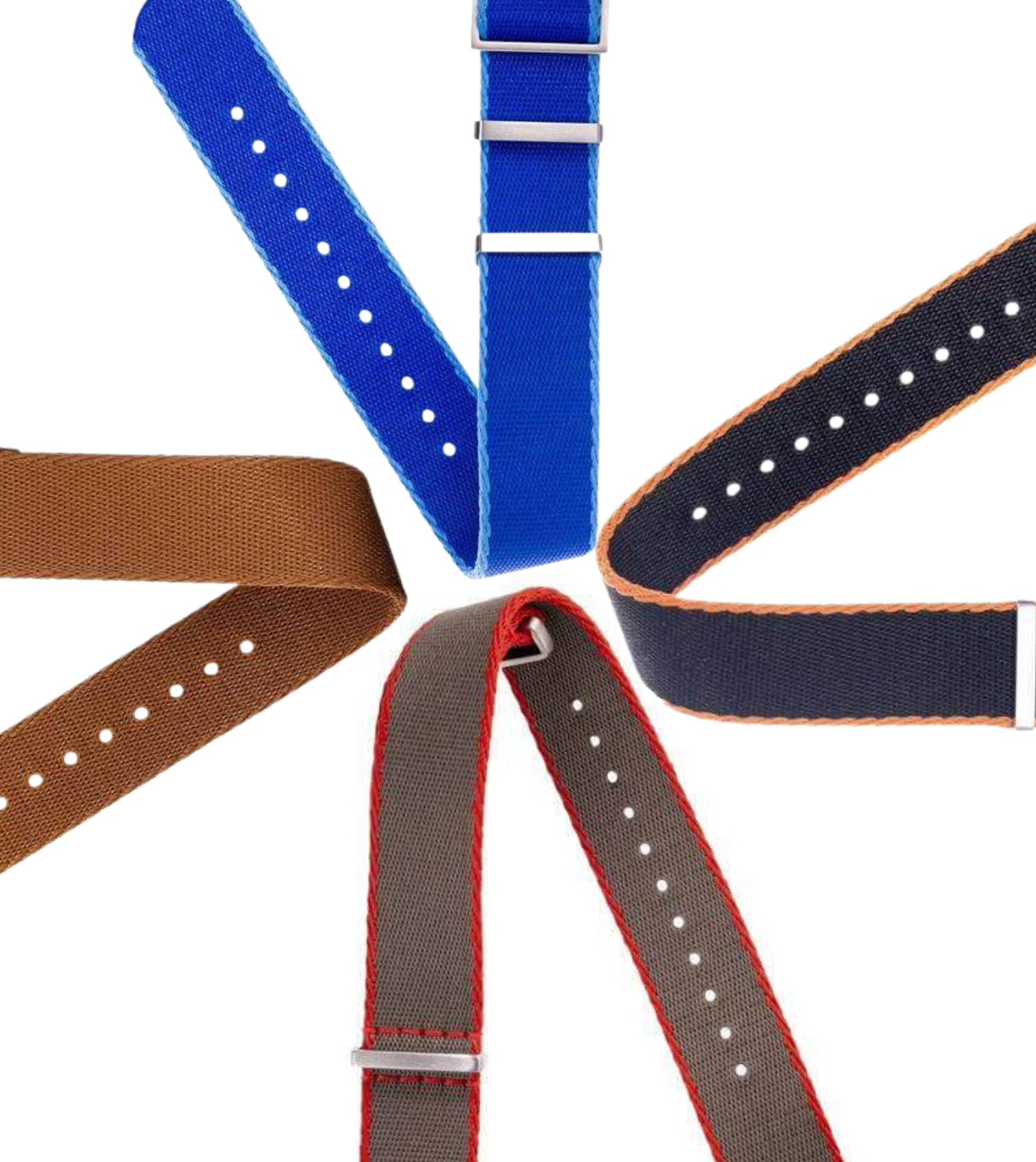
Before choosing a leather or nylon strap, it is essential to confirm the correct lug width. Below is a practical reference for many vintage and neo vintage Rolex models.
Submariner 4 and 5 Digit References
1680
5513
5512
6538
6536
16800
168000
16600
16808
16618
16613
14060
All use 20 mm straps.
GMT Master 4 and 5 Digit References
6542
1675
16750
16758
16700
16760
16718
All use 20 mm straps.
Datejust 36 mm
1600
1601
1603
16013
16200
16018
16200
16000
16014
16030
16220
16233
16234
16238
1625
16253
16263
16264
All references use 20 mm straps.
Oyster Perpetual 34 mm
1002
1003
1005
1007
1008
1022
1024
14203
14233
1500
15000
15003
1501
15010
1503
15038
1505
15053
15200
15203
15210
15223
6022
6084
6284
6090
6282
6294
6426
6494
6565
6564
6567
6569
6694
All references use 19 mm straps.
Pre Daytona and Paul Newman 4 Digit References
6038
6238
6239
6262
6240
6241
6263
6265
All use 19 mm straps.
Daytona Zenith and Later References
16520
16528
16523
116520
116523
116528
All use 20 mm straps.
Explorer 4 and 5 Digit References
6610
1016
1655
16550
16570
14270
114270
All use 20 mm straps.
Day Date 36 mm
6611
1803
1807
1802
18038
18238
18039
18239
18346
18296
118238
118239
All references use 20 mm straps.
Bubbleback 31 mm
Original lug width is approximately 16.7 mm.
However, many collectors install 18 mm or 19mm or 20mm straps and trim the edges slightly to create a visually wider and more proportional appearance.

Protect your case. Preserve your numbers. Choose the correct size and pair it with proper Rolex specification spring bars for maximum security.
Browse our Italian leather strap collection and upgrade your Rolex the right way.